

Josephine Cochrane was an American inventor, socialite, and successful entrepreneur known worldwide. It is thanks to her that modern people have the convenience of using dishwashing machines. Despite the lack of opportunities for most women in the 19th century, Cochrane managed to patent her invention, which caused a sensation. We will discuss how she achieved this in detail on chicago-future.com.
A Marriage of Convenience
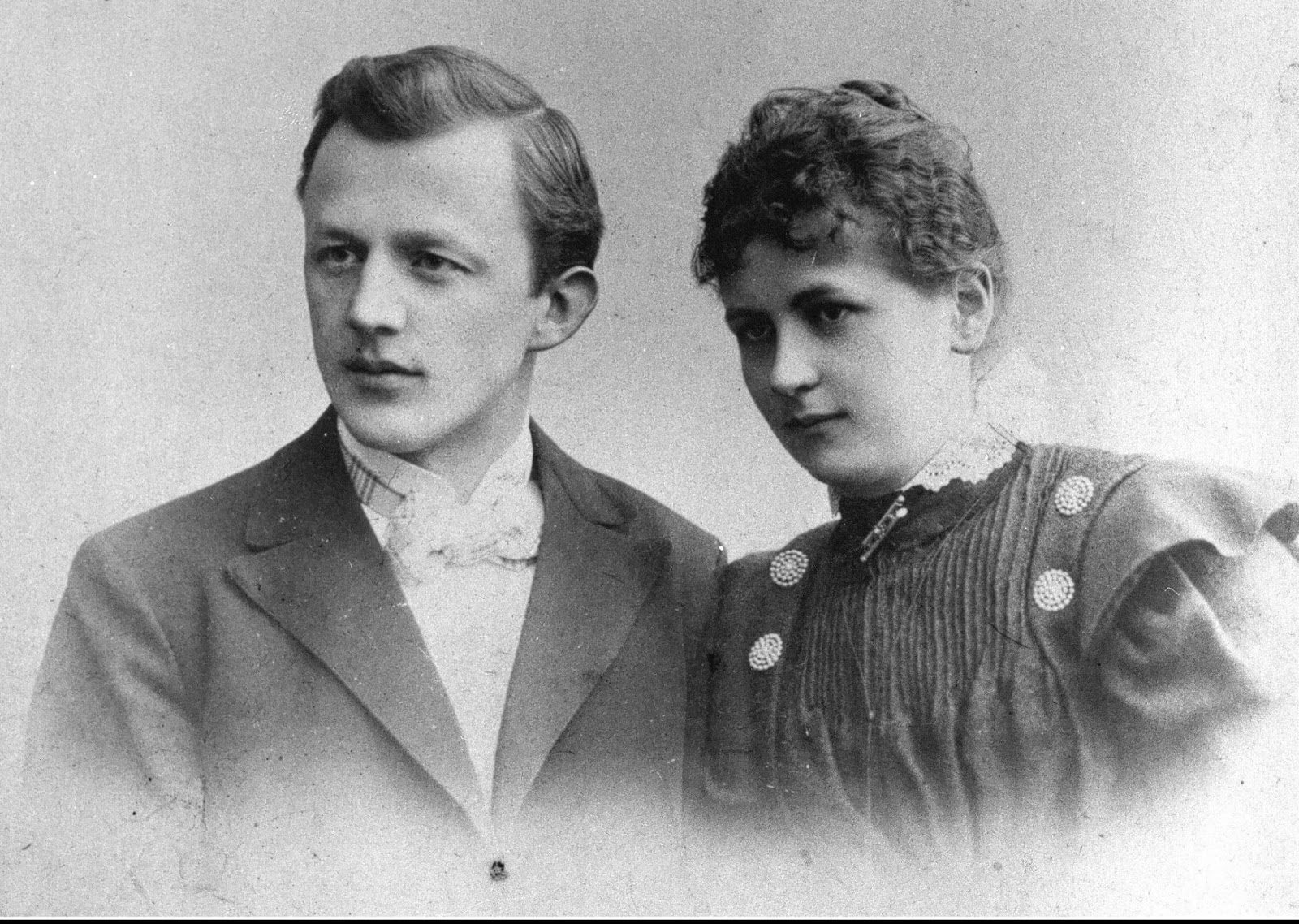
Josephine was born to John and Irene Garis in Ashtabula County, Ohio. Her father was a successful civil engineer who managed several factories. It is no surprise that Josephine had a passion for invention, as her grandfather invented and patented America’s first steamboat. Her parents adored their daughter, and their upbringing made Josephine resolute in her endeavors and in finding solutions to the problems that constantly arose in her path.
In her teens, Josephine was half-orphaned when her mother passed away, leaving her no choice but to move in with her older sister in Illinois. There, she met William Cochrane, who was 9 years her senior. At the time, William was an enviable bachelor with a successful dried fruit business in Illinois. A romantic relationship developed between them, and in 1858, at the age of 19, Josephine married William Cochrane. The family lived comfortably thanks to William’s business. As a businessman’s wife, Josephine began leading a social life. She also started spelling her surname after marriage as “Cochrane,” believing it sounded more refined.
After the wedding, the couple immediately moved into a large house in Shelbyville, Illinois, where they employed several servants. Josephine and William often hosted dinner parties in their mansion, showing off their collection of heirloom china dating back to the 1600s. To their great frustration, some of the dishes were broken by servants during washing. Eventually, a genius idea struck Josephine: to invent a device that would automatically solve the problem of washing dishes.
Working on the Invention
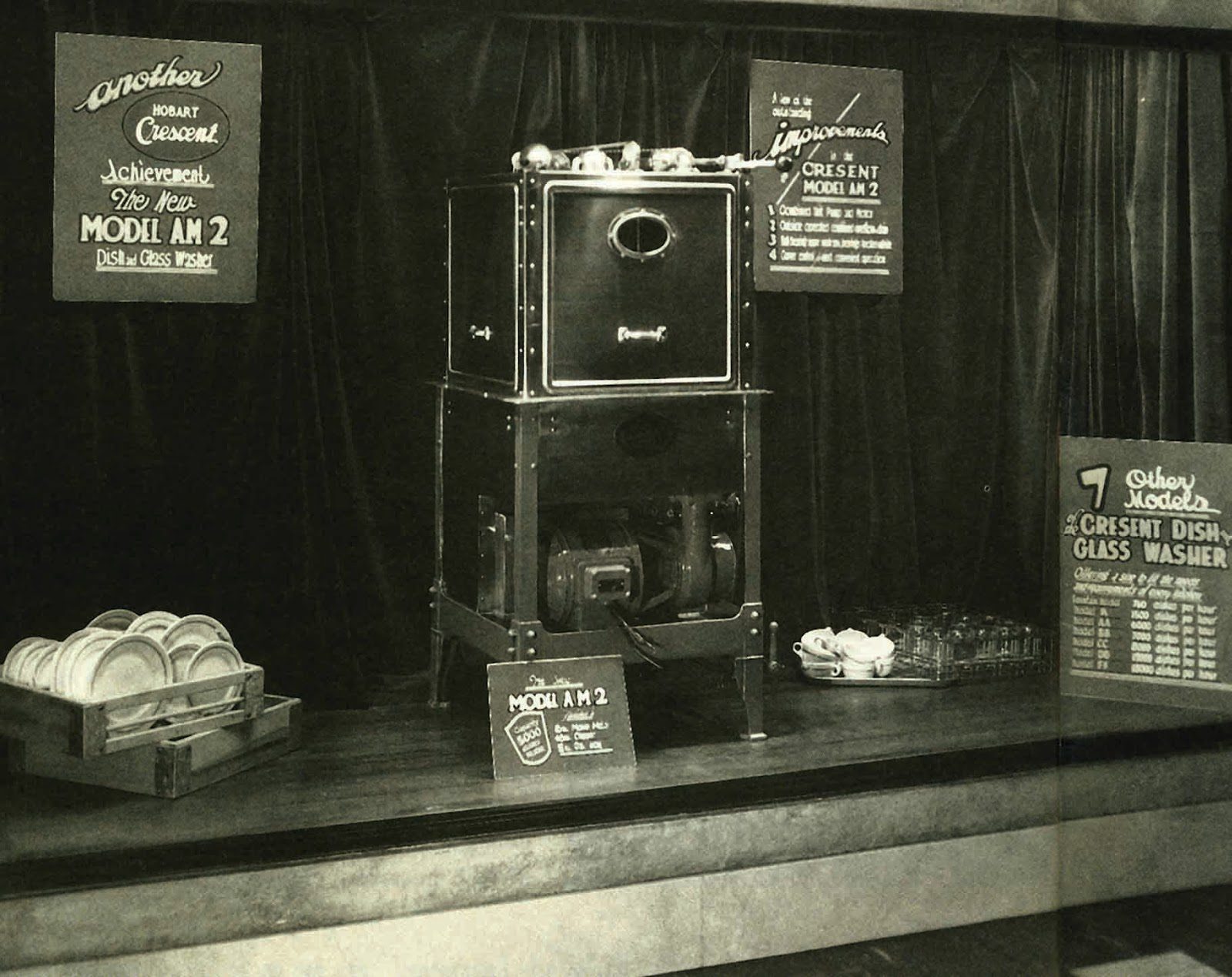
In 1883, William passed away, and Josephine discovered that her family’s financial situation was not what she had imagined. It turned out her husband had left her only a few thousand dollars and massive debts. Despite everything, the woman did not give up, focusing all her efforts on developing the dishwasher.
It took Cochrane several months to complete the drawings for the invention. Simultaneously, she searched for someone who could build a prototype from her blueprints and found a mechanic, George Butters. He built the machine very quickly. Although Cochrane was not a pioneer in the field of dishwashing machines, her version was considered the first to use compartments to hold dishes in place and water pressure during washing, which was very different from previous versions. While working on the appliance, Cochrane and Butters measured dozens of types of dinnerware—mugs, cups, spoons, and plates. They then created a special box with dish holders inside. Everything loaded into the box remained stationary while water circulated, cleaning the forks, saucers, and other items. The device was powered by a steam engine that not only rotated the dish basket but also simultaneously boiled the water for washing. The inventor’s idea was that the dishes should dry from the high temperature, heating up during the washing process.
The first model of the dishwasher resembled a miniature sawmill with many belts and gears. Friends and neighbors constantly visited Josephine to watch the device work, and everyone was impressed. After all, the machine meticulously performed its functions and was simple to operate.
In 1885, Josephine filed for a patent for her invention and received it a year later. Although her dishwasher was not the first of its kind, it used water pressure rather than scrubbers to clean dishes. Importantly, this unique idea is still used in modern appliances today. Cochrane was confident that her invention would ease the burden of washing dishes, which constantly fell on women’s shoulders. In 1887, she made her first successful sale to the Palmer House hotel in Chicago.
Founding a Factory and Company
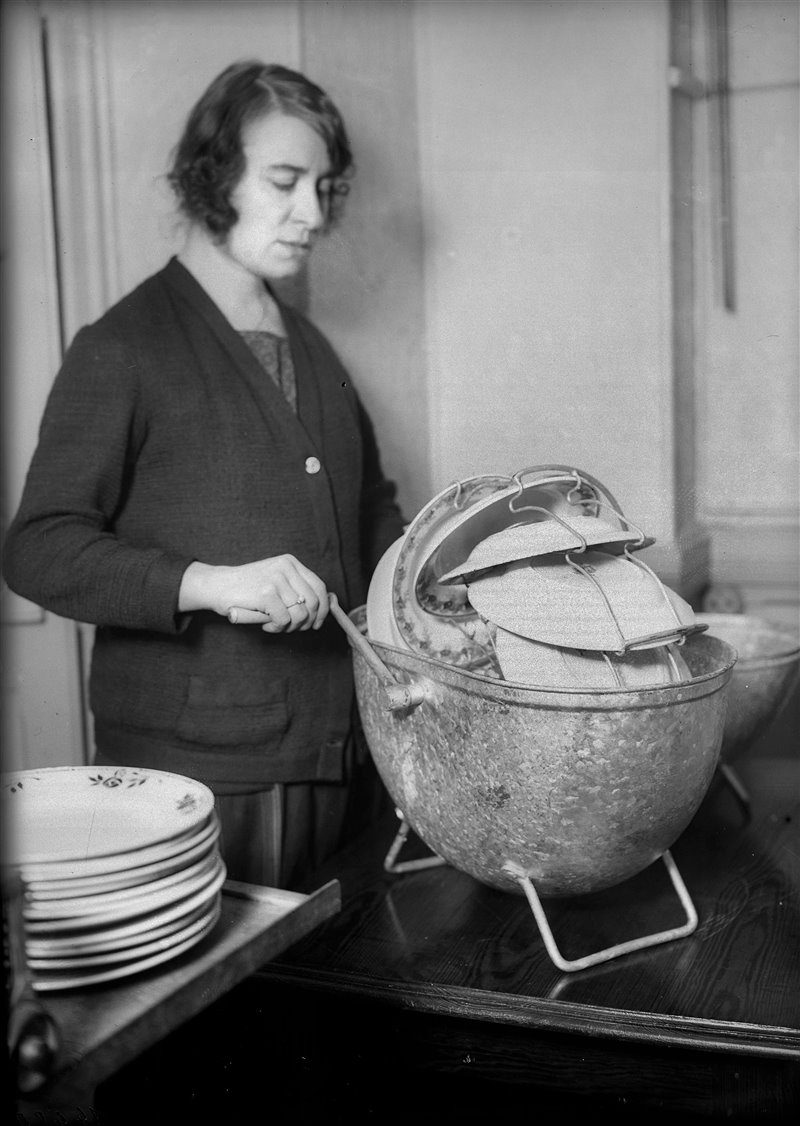
In 1897, Cochrane opened the world’s first dishwasher factory near Chicago. In 1898, with her savings, she founded the Garis-Cochran Company (later renamed the Crescent Washing Machine Company), which focused on product distribution. In the early years, machine production at the factory was very slow, primarily due to a severe lack of money. To somehow overcome the crisis, the Garis-Cochran Company contracted the E.B. Tait and Co. firm to manufacture its products. The partnership with this contractor brought nothing good; rather, it became a source of constant problems. Often, the process of transferring a new product into production requires as much effort as inventing it. It was particularly frustrating for Cochrane when her ideas and improvements were ignored, all because the inventor lacked a formal mechanical education.
However, fate turned in favor of the Garis-Cochran Company during the 1893 World’s Columbian Exposition. At this event, the dishwasher invented by Cochrane won an award, and her company began to thrive. Mass orders poured in from hotels, restaurants, and even colleges across the U.S.
In 1888, the company offered its clients 2 basic models, each available in various sizes.
In 1898, Cochrane expanded her business, appointing George Butters as manager and rebranding the company as the Crescent Washing Machine Company.
A Great Legacy
On August 14, 1913, Josephine passed away from a stroke at the age of 74 in her Chicago home. She was buried in Glenwood Cemetery in Shelbyville.
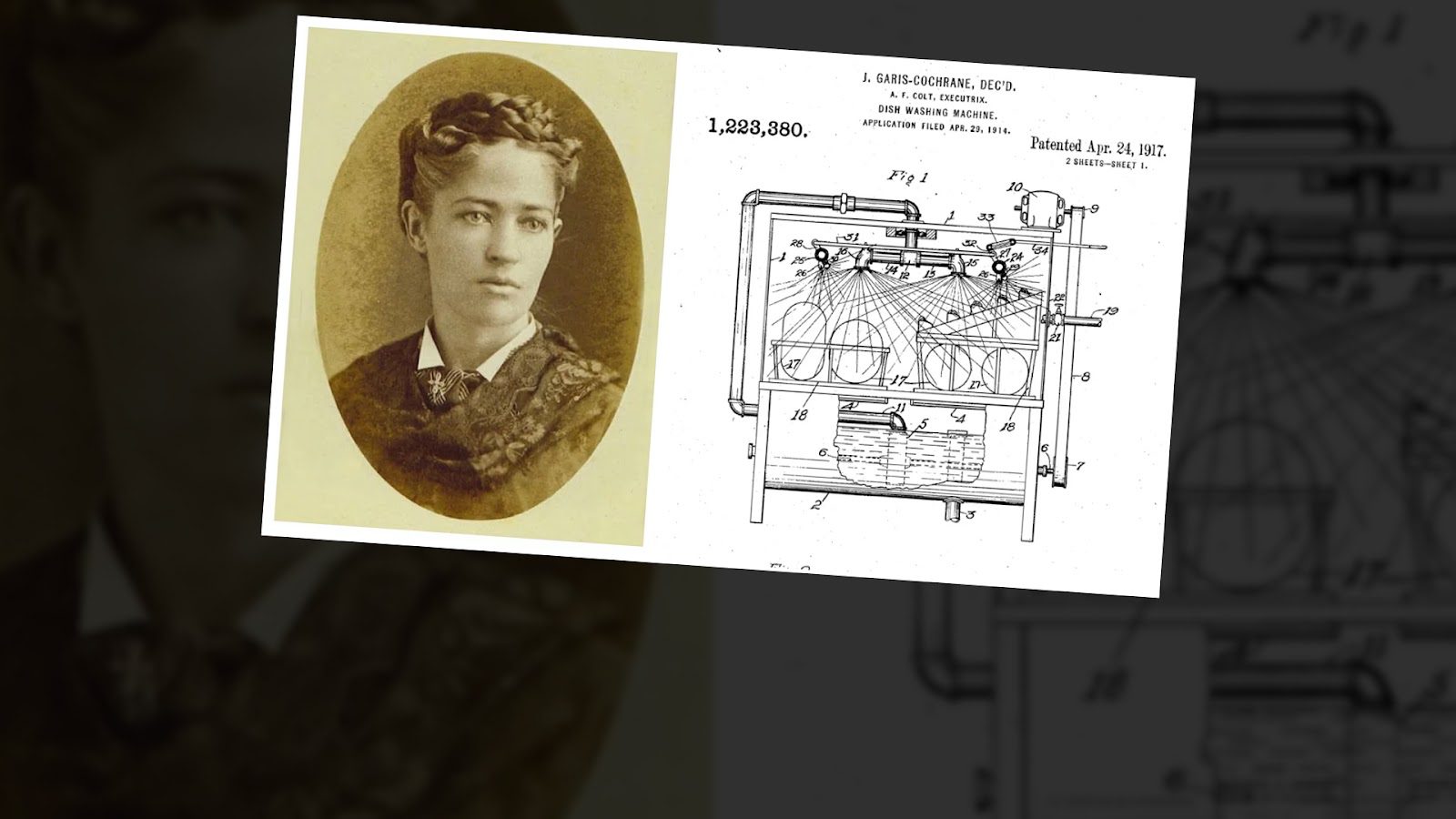
In 1917, she posthumously received a second patent for her dishwashing machine. The Crescent Washing Machine Company she founded was eventually acquired by the Hobart Manufacturing Company in 1926. This company is known for manufacturing dishwashers under the KitchenAid brand. In 1986, KitchenAid was bought by Whirlpool Corporation.
To this day, the inventor’s contribution to societal development is evident in almost every household in the country. To honor her legacy, she was inducted into the American National Inventors Hall of Fame in 2006. In 2013, despite having no connection to the country, Romfilatelia, Romania’s postal agency, issued a stamp featuring her image as part of a series dedicated to pioneering women in history.
Analyzing all of the above, we can conclude that the dishwashing machine invented by Josephine Cochrane not only revolutionized the kitchen but also reduced the need for large kitchen staff in commercial establishments. Despite lacking formal engineering training, Josephine demonstrated an entrepreneurial spirit, actively promoting the machines across the country. Her invention laid the foundation for modern dishwashers, which have since become commonplace household appliances.