

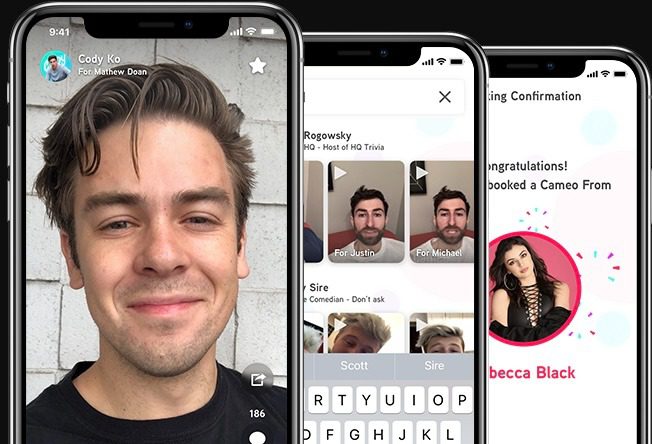
Cameo is an American video-sharing service that allows users to order personalized video messages from their favorite celebrities. Headquartered in Chicago, Illinois, the company skyrocketed in popularity after its Spring 2017 launch as an innovative way for fans to connect with their idols. The service offers a fresh communication format where stars create tailored clips based on requests sent by fans for friends, family, or themselves. Read more at chicago-future.
The Origins of Cameo
The platform was co-founded by Steven Galanis, Martin Blencowe, and Devon Spinnler Townsend in 2016, with the site’s first public version going live on March 15, 2017. The idea was born after Blencowe arranged for NFL player Cassius Marsh to record a video congratulating a friend on the birth of his son. This moment led the founders to realize that a personalized “video selfie” could become the modern-day autograph for the digital age.
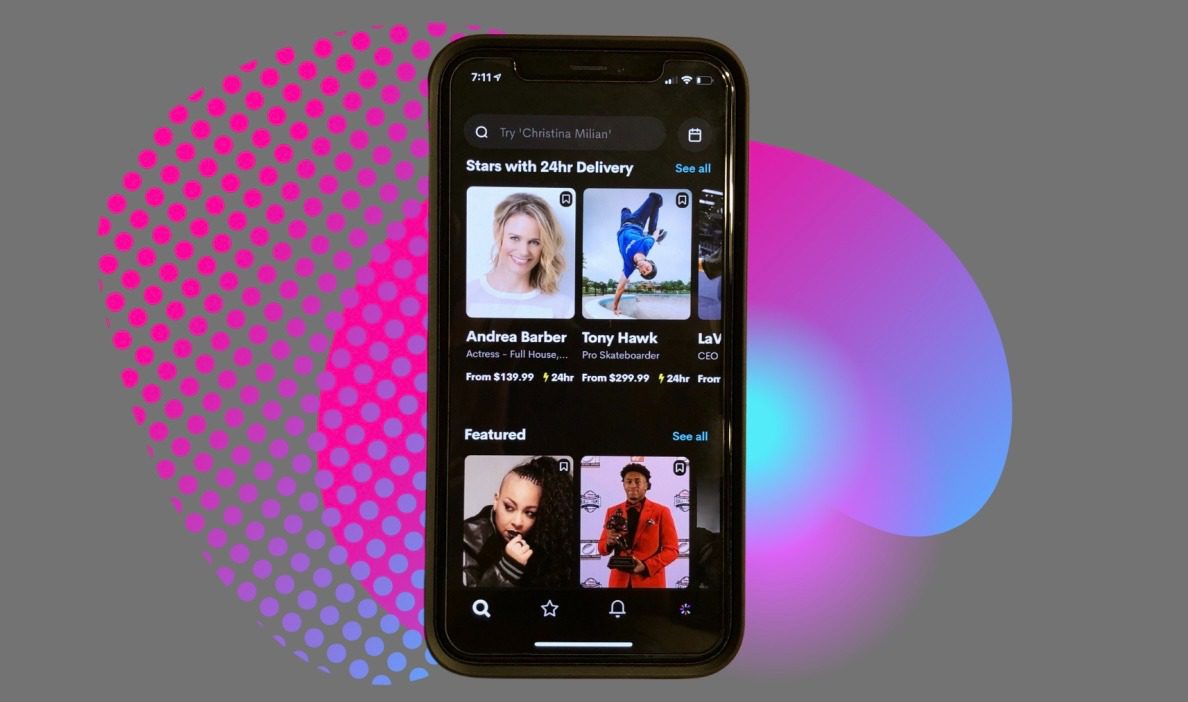
To join the Cameo roster, a celebrity typically needs a significant following—usually over 20,000 Instagram followers. This standard allows the platform to attract a wide range of talent, from A-list actors, musicians, and professional athletes to trending social media influencers.
A Surge in Popularity
The service experienced rapid growth from the start. By May 2020, more than 30,000 celebrities had joined the platform, delivering hundreds of thousands of personalized messages to fans worldwide. This expansion was fueled in part by the COVID-19 pandemic. As social distancing protocols took effect, people turned to digital platforms to celebrate major milestones like birthdays and anniversaries from afar.
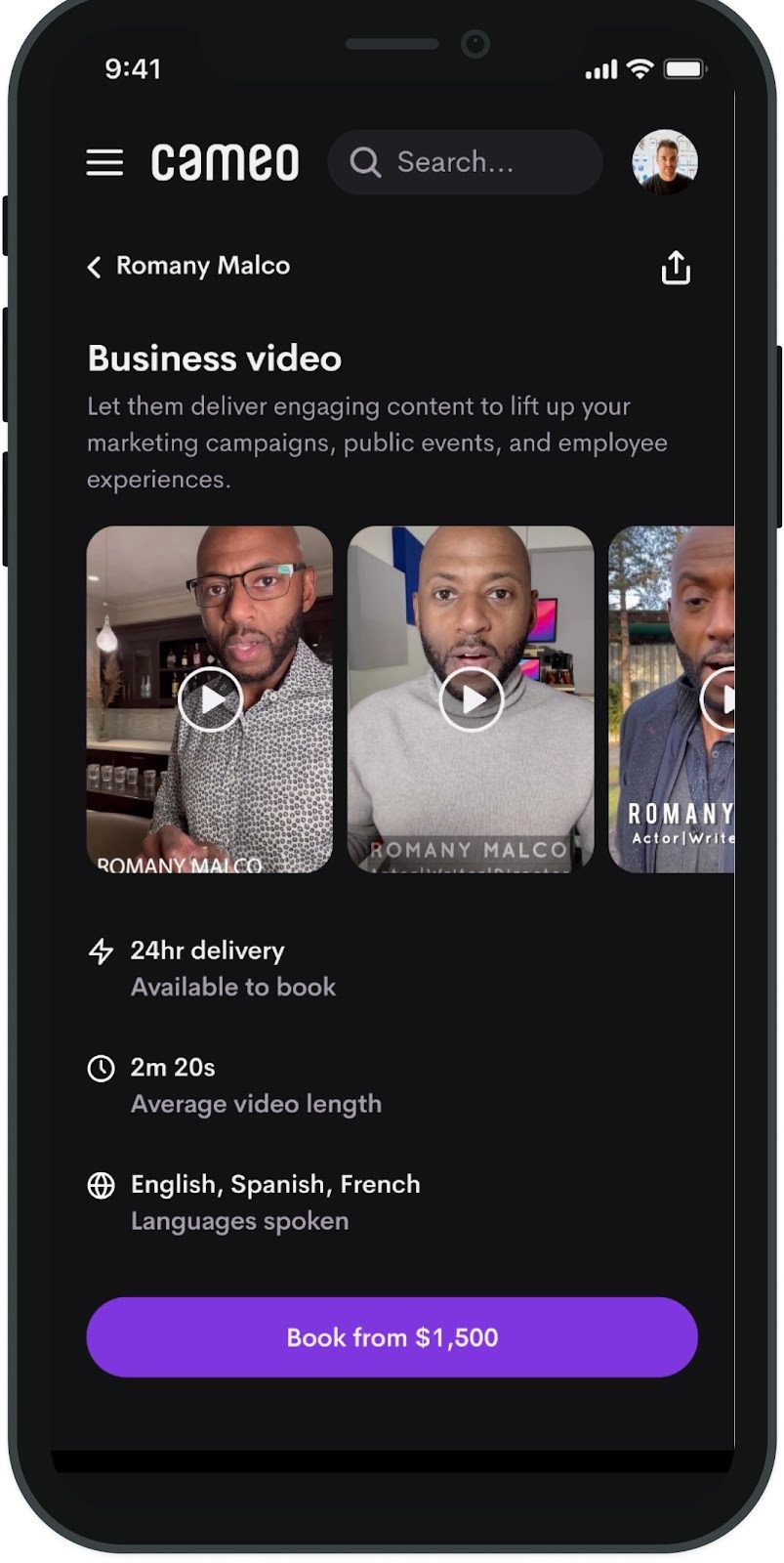
In July 2020, Cameo introduced “Promotional Cameos,” a premium service designed for businesses. This feature allows brands to purchase celebrity videos for marketing campaigns and commercial promotions.
The company’s financial trajectory was equally impressive. While Cameo was valued at approximately $300 million in 2019, a successful funding round led by the SoftBank Vision Fund and other investors pushed its valuation past the $1 billion mark in 2021. This milestone solidified the company’s status as a leading success story in the digital celebrity economy.
During the peak of the pandemic, Cameo’s workforce expanded to roughly 400 employees. However, as lockdowns ended, the service faced shifts in its business model and underwent significant downsizing. By July 2023, the staff had been reduced to 33 employees, reflecting a pivot from rapid scaling to a leaner, more optimized structure. Economic hurdles also impacted the company’s valuation; SoftBank lowered its estimate to $100 million in 2022, and by 2023, internal valuations sat around $50 million. Despite these challenges, Cameo saw a resurgence in late 2023 during the SAG-AFTRA actors’ strike. Over 2,400 actors joined or reactivated their accounts on the platform to supplement their income during the industry-wide work stoppage.
Expanded Services and Business Features
Cameo continues to evolve by offering more than just basic video greetings. New features like “Direct Messages”—a paid text service allowing fans to message talent—and “Cameo Live”—bookable 2-to-10-minute video calls—have made the platform more versatile. These options are designed to deepen engagement and provide more personalized experiences while creating additional revenue streams for creators.
The company has also leaned heavily into “Cameo for Business” (C4B). This branch provides brands with advanced tools to filter talent by demographics, follower count, and pricing, making the platform a powerful resource for corporate marketing and targeted brand awareness.
Business analysts note that Cameo is maturing its economic model by blending entertainment with commercial scalability. By offering brands a direct line to target audiences through celebrity endorsements, the company is diversifying its use cases. This strategic approach aims to ensure long-term sustainability in an ever-changing digital landscape.
Cultural Impact and Recognition
Cameo has earned widespread acclaim within both the media and business sectors. In October 2018, Time magazine named it one of the “50 Most Genius Companies,” highlighting its disruptive business model. Fast Company has twice recognized Cameo as one of the world’s “Most Innovative Social Media Platforms.” Co-founder Devon Townsend was featured in the Forbes 30 Under 30 list for consumer technology, while Chicago Magazine once dubbed Cameo the “Most American Startup of All Time.” The Hollywood Reporter also named Steven Galanis one of “Hollywood’s Top Innovators.” Beyond entertainment, the platform has become a fixture in pop culture and even politics, utilized by public figures and artists for everything from campaign messages to personal announcements.