

The Chicago History Museum is one of the United States’ premier historical institutions, dedicated to chronicling the city’s story and the evolution of American urban society. The museum’s collections span over 22 million items, including documents, photographs, furniture, costumes, and other artifacts. It serves as a vital educational center, offering a mix of permanent and temporary exhibits, interactive displays, and online resources for a broad audience. More on chicago-future.
A History of Resilience: The Museum’s Founding
The museum’s origins trace back to the founding of the Chicago Historical Society in 1856. The organization was established with the ambitious goal of documenting the growth of the city and the surrounding region. Tragically, the Chicago Historical Society’s initial collection was almost entirely wiped out during the Great Chicago Fire of 1871. This devastating loss included the final draft of Abraham Lincoln’s Emancipation Proclamation, which was being held for an auction intended to fund the construction of the Civil War Soldiers’ Home. Following the fire, the Society quickly began gathering new materials, only for this new collection to be destroyed by another fire in 1874.
In 1896, a fireproof structure was finally erected on the site of the previous building on North Dearborn Street. This building survived for 36 years and was eventually listed on the U.S. National Register of Historic Places as the Old Chicago Historical Society Building. A significant turning point came in 1920 when the Chicago Historical Society acquired the bulk of the collection belonging to renowned Chicago collector Charles F. Gunther. This acquisition brought in pivotal artifacts related to Lincoln and the U.S. Civil War, such as Lincoln’s bed, furniture, clothing, and the very table on which General Robert E. Lee signed his surrender to General Ulysses S. Grant in 1865.
The institution took a major leap in 1932 with the opening of its new home at the intersection of Clark Street and North Avenue. This location is what we know today as the Chicago History Museum, marking a key moment in the organization’s transformation from a research-focused institution into a public-facing museum.
Architecture and Museum Building
The main museum building in Lincoln Park, constructed in 1932 in the Federal style by Graham, Anderson, Probst & White with support from the WPA, has undergone two significant expansions. The first addition in 1972, designed by Alfred Shaw and Associates, introduced new exhibition spaces. The second expansion in 1988, overseen by Holabird and Root, unified the architecture by revamping the facade of the previous addition with matching red brick. The main entrance was also moved to the building’s west side on Clark Street, where visitors can also find the museum’s store and café.
Exhibits and Vast Collections
The museum boasts one of the most comprehensive collections dedicated to the history of Chicago and the broader American experience. Its holdings include artifacts, photographs, archival documents, cartographic materials, costumes, industrial design objects, and other tangible evidence of public life. The archival and manuscript collections thoroughly document events from the colonial era to the present day, starting from the 1680s and onward, featuring major collections related to civic life, labor, politics, and social movements in the region. The combined collections total millions of items, establishing the museum as a critical national resource.
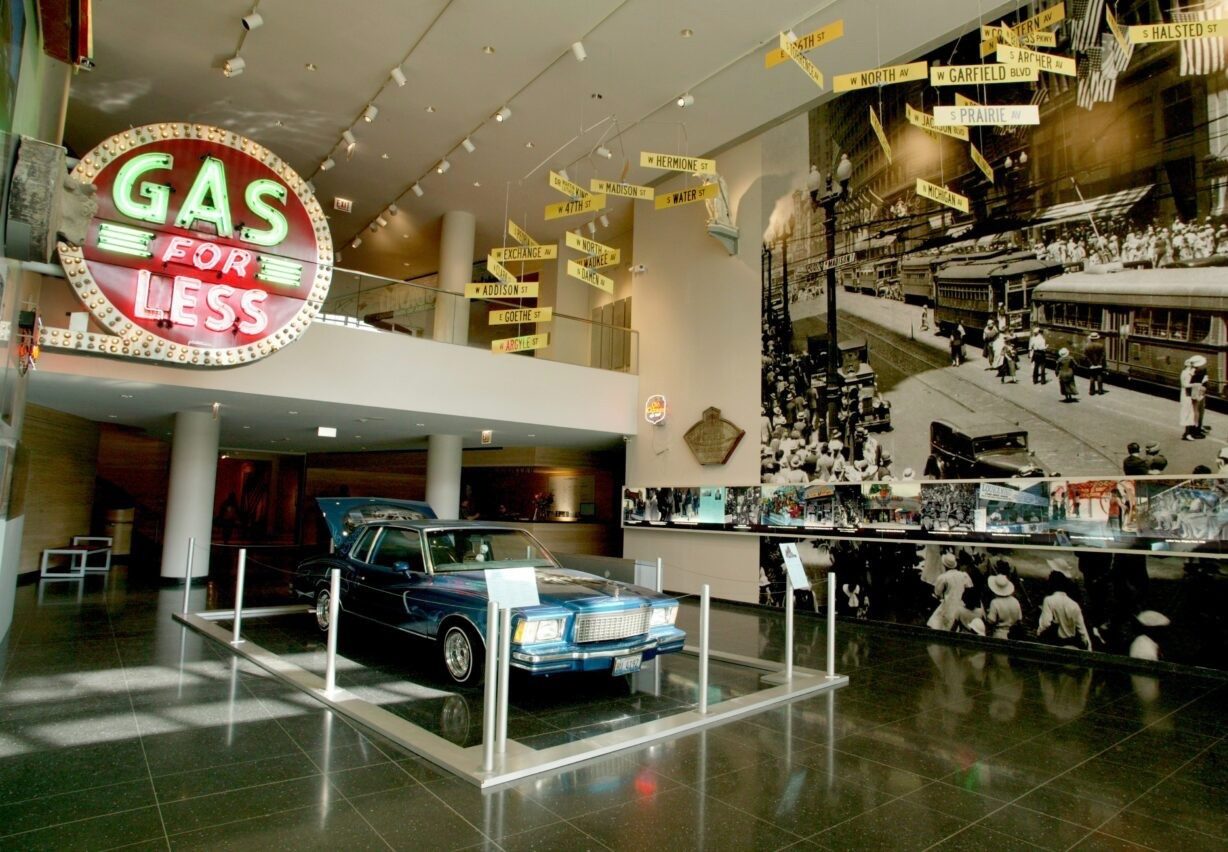
The Chicago History Museum expertly balances large-scale permanent exhibitions with a rotating schedule of temporary ones. Among the permanent galleries, visitors can explore key exhibitions dedicated to Chicago’s central role in the industrial development of the U.S., its government and civic history, as well as themes of transportation, urbanism, and the daily life of its residents. Temporary exhibitions often draw on unique materials from the museum’s vaults, dedicated to special anniversaries or pivotal cultural topics. For visitors, this combination means a dynamic, ever-changing program that continuously refreshes the narratives about the city and the region.
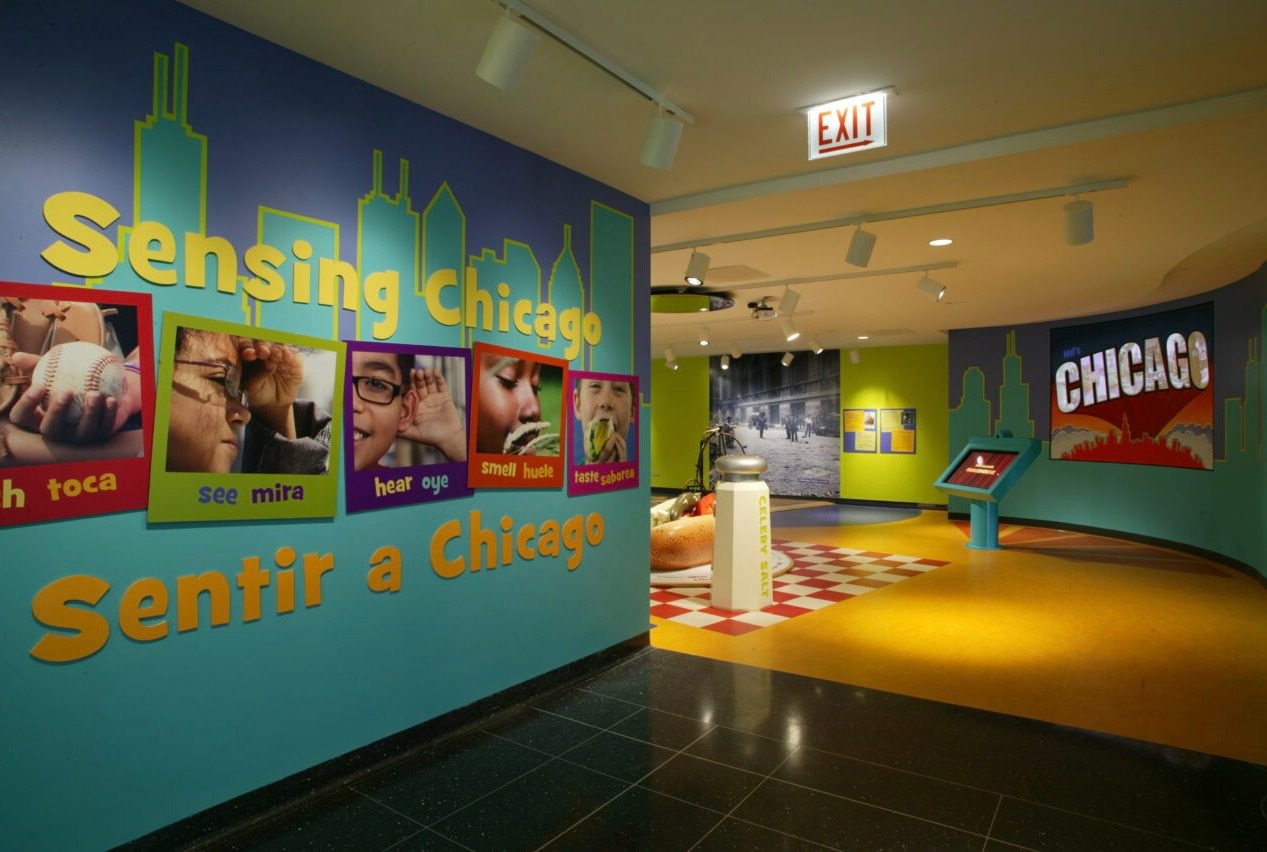
The museum primarily focuses on the history of Chicago and the U.S. The 16,000-square-foot exhibit, Chicago: Crossroads of America, explores the city’s two centuries of development. The Facing Freedom exhibit highlights American conflicts from the 1850s to the 1970s. Separate displays are dedicated to Abraham Lincoln, his presidency, the Civil War, and his assassination. The Portrait Gallery recreates Chicago during Lincoln’s era, while Sensing Chicago offers children an interactive approach to history.
The Tawani Foundation Diorama Hall houses restored dioramas that vividly illustrate Chicago’s transformation from a remote outpost into the booming metropolis of the 1893 World’s Fair. The Chicago Room, featuring beautiful stained glass, is available for corporate and private events.
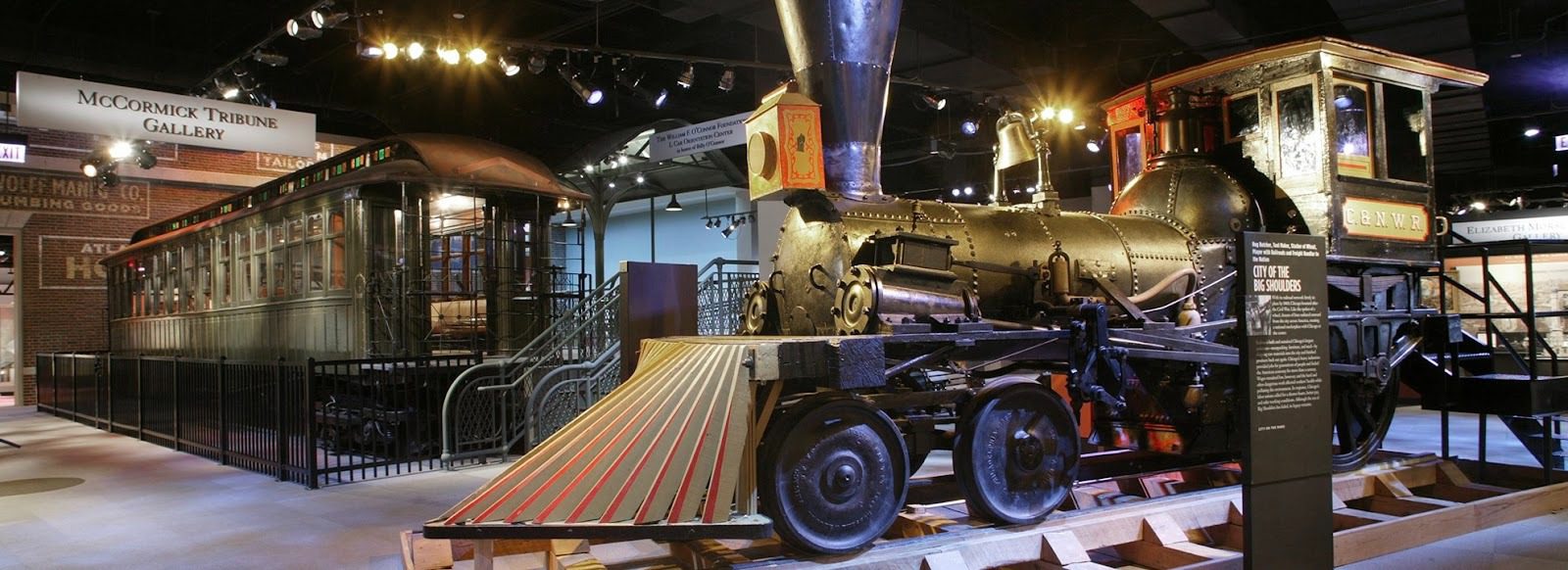
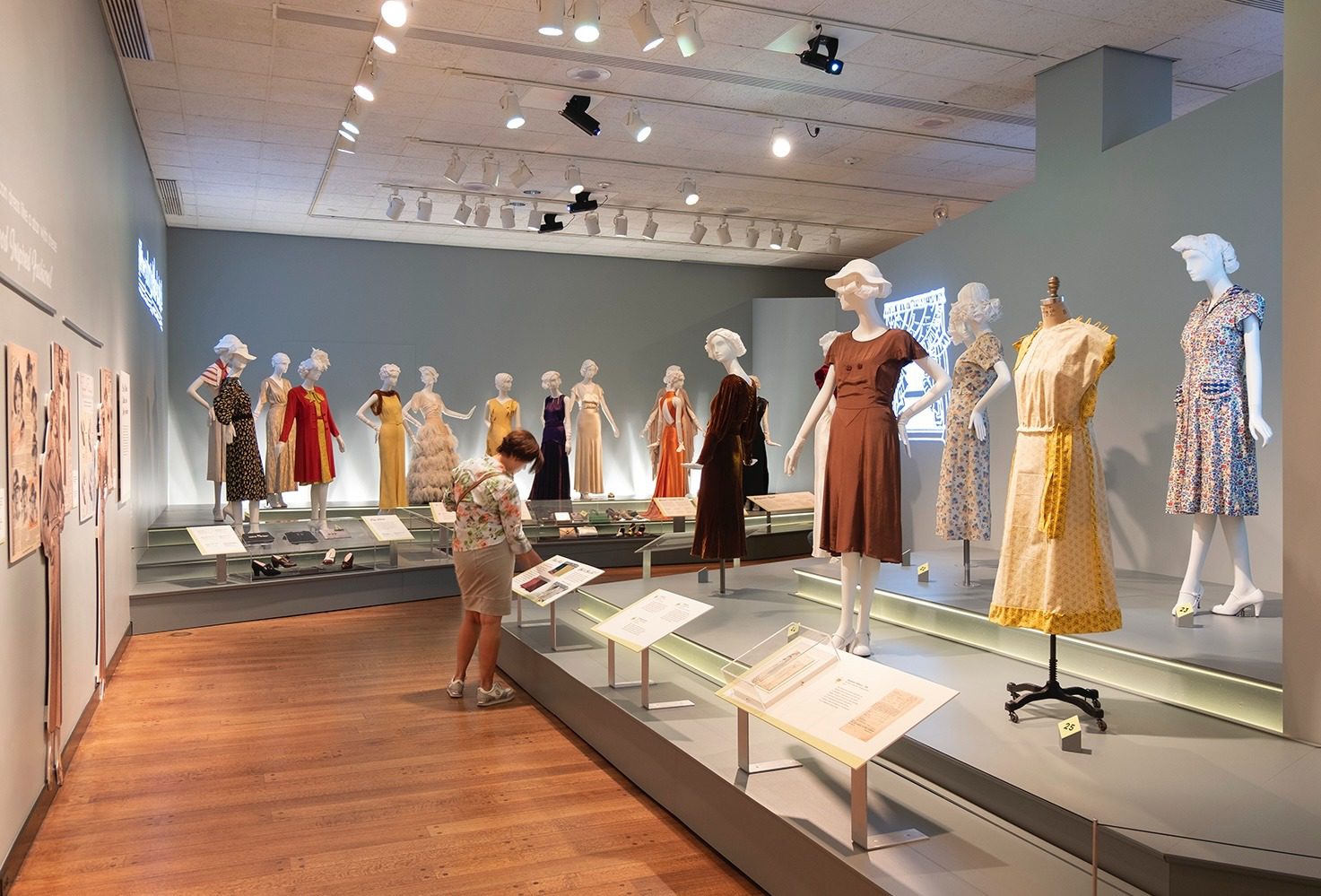
The museum is also home to a historic 1893 Elevated Railroad car and the first locomotive, Pioneer, both moved there in 2006. The costume collection is expansive, featuring over 50,000 items from the 18th century to the modern day, including works by celebrated Chicago designers.
The Chicago History Museum regularly hosts temporary exhibits dedicated to Chicago art, LGBTQ+ community history, fashion, and other diverse topics. In a notable initiative in 2013, the museum launched the first crowdsourcing project in the U.S. where visitors submitted ideas for a future exhibition.
Embracing Digital Technologies
The museum is also a leader in utilizing digital technologies: the Chicago Fire mobile app offers an interactive guide to 54 landmarks connected to the Great Fire. Furthermore, the Explore Chicago Collections platform provides online access to over 50,000 digitized images from the collection. Annually, the museum honors Chicago residents and organizations with the Making History Awards, actively supporting the development of the local community and the preservation of its cultural heritage.
The Abakanowicz Research Center (ARC) serves as the scholarly heart of the museum—an archival research facility that preserves manuscripts, photographs, architectural drawings, publications, and other documentation. The ARC is open to both the public and researchers, offering free access to some materials and specialized services for working with primary sources. The center is an essential hub for journalists, academics, school groups, and anyone conducting historical research related to Chicago and the region.
The museum operates as an active educational center, providing school tours, public lectures, themed family programs, and special projects for adults. These educational initiatives are designed to foster historical thinking, encourage a critical approach to sources, and integrate local history into school curricula. The museum acts as a platform for public discussions, presentations, and cultural gatherings, thereby reinforcing its role as a core center of civic life.
The Chicago History Museum collaborates with universities, libraries, and research institutions, which helps broaden access to its materials and enables the creation of interdisciplinary projects. The museum’s archives are utilized in studies spanning labor history, civil rights, urbanism, fashion, and material culture. This type of academic collaboration enhances the scholarly value of the collections and solidifies the museum’s place as a key institution for preserving regional memory.
The Chicago History Museum is far more than just a repository of historical artifacts; it is an active educational and cultural center. By combining permanent and temporary exhibitions, interactive displays, digital resources, and educational programs, the museum successfully popularizes the history of Chicago and the U.S. for a wide audience. It remains a powerful symbol of the city’s resilience after major catastrophes and a crucial focal point for remembering the past for generations to come.