

Chicago plays host to one of the world’s most prestigious institutions dedicated to the natural sciences: the Field Museum of Natural History. This iconic facility houses extensive collections that span across disciplines such as paleontology, zoology, botany, anthropology, geology, and archaeology. Far more than just a tourist attraction with static displays, it is a hub for groundbreaking research and education, preserving invaluable specimens for scholars around the globe. Read more at chicago-future.
Origins and History
The roots of the Field Museum are deeply intertwined with the 1893 World’s Columbian Exposition. This massive fair showcased thousands of cultural and natural artifacts, many of which formed the nucleus of the museum’s permanent collection once the exposition closed its doors.
Even prior to its official incorporation in 1893, the institution secured a significant ornithological collection from artist Daniel Giraud Elliot. Elliot later served as the curator of zoology from 1894 until 1906. The driving force behind the museum’s establishment was Edward Ayer, who successfully persuaded retail magnate Marshall Field to underwrite the project. Initially, the institution was known as the Columbian Museum of Chicago to honor its origins, but it was rebranded as the Field Museum of Natural History in 1905.
By the 1920s, the growing collection required a larger home. In accordance with the “Plan of Chicago,” construction began in 1915 on a new facility near Grant Park. The public was welcomed into the new building on May 2, 1921. The architectural design was led by Peirce Anderson of the firm Graham, Anderson, Probst and White.
For a period between 1943 and 1966, the facility operated under the name Chicago Natural History Museum. After settling into its current lakefront campus in 1921, it rapidly gained a reputation as a premier scientific center. By the late 1930s, it was considered one of the top three museums of its kind in the United States, ranking alongside the Smithsonian’s National Museum of Natural History and New York’s American Museum of Natural History.

Organization and Scope
The scale of the Field Museum is staggering, encompassing vast educational, scientific, and exhibition divisions. While visitors see thousands of items on display, the collection actually contains nearly 40 million specimens and artifacts. The vast majority are kept in specialized storage vaults, serving as a critical database for scientific inquiry.
A team of over 150 scientists works within the museum walls. This group includes experts in botany, geology, anthropology, paleontology, and zoology. Their research investigates diverse subjects ranging from biodiversity and climate change to the cultural history of humanity and the evolution of life itself.
To support these efforts, the museum operates several specialized centers: the Gantz Family Collections Center, the Negaunee Integrative Research Center, the Keller Science Action Center, and the Sue Ling Gin Center for Education and Public Programs. These units are essential for both advancing scientific discovery and translating complex findings into educational material for the public.
Key Exhibitions
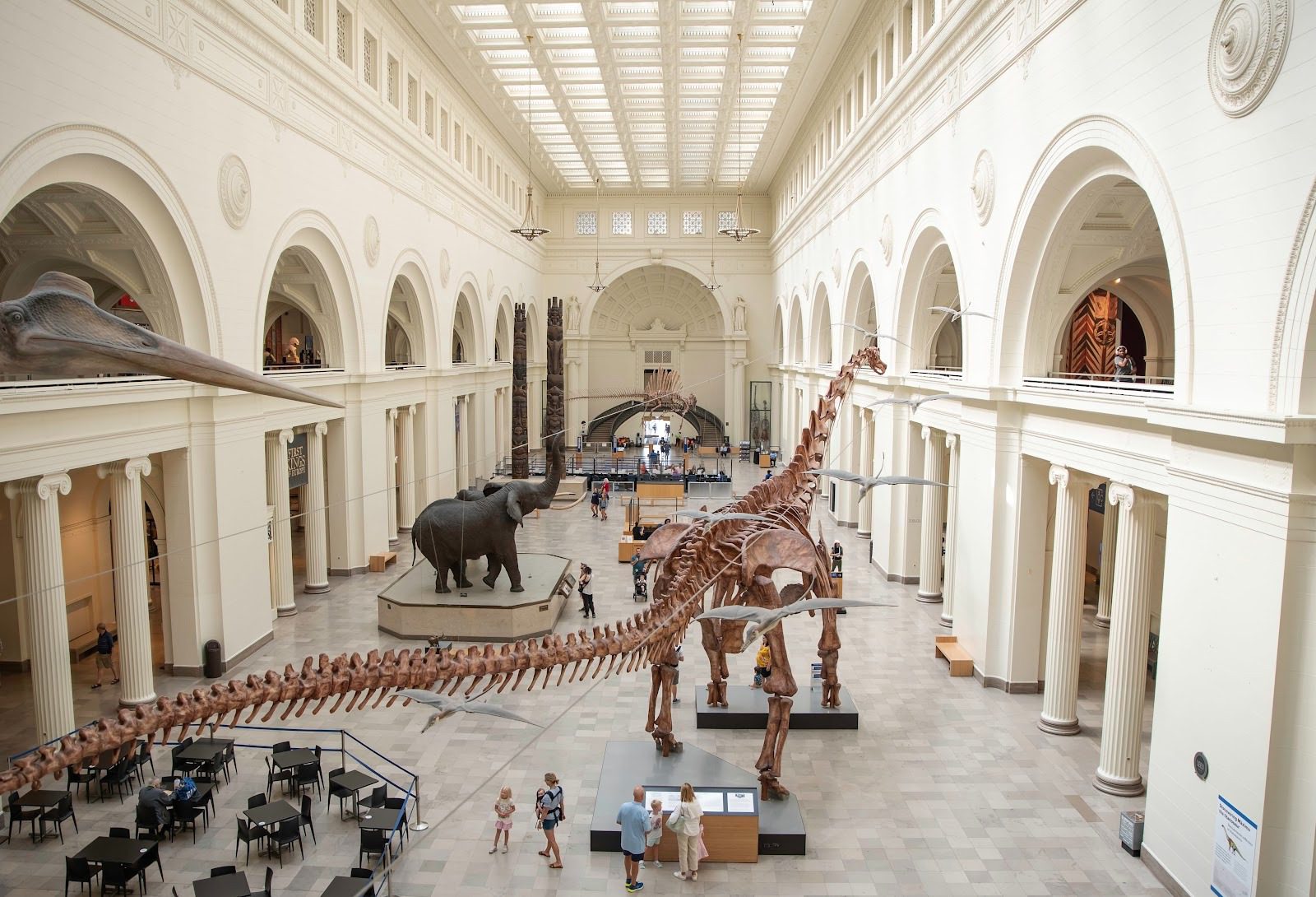
The Field Museum is celebrated for its immersive exhibits that bridge culture, evolution, and natural science. Perhaps the most famous resident is SUE, the most complete Tyrannosaurus rex skeleton ever unearthed. Discovered in South Dakota and purchased in 1990, SUE was unveiled in Stanley Field Hall in 2000 after thousands of hours of meticulous preparation. Another highlight, Evolving Planet, takes guests on a 4-billion-year journey through history, showcasing fossils from microscopic organisms to massive dinosaurs and early humans. The synapsid collection is particularly notable, boasting over 1,100 specimens.
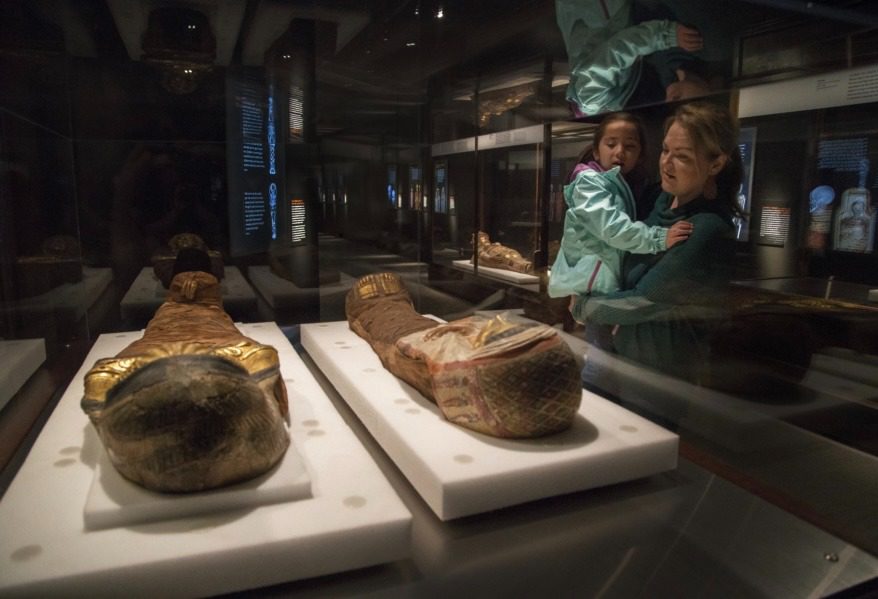
Visitors can also explore Inside Ancient Egypt, which offers a glimpse into life along the Nile. This exhibit features a three-story replica of Unas-Ankh’s mastaba tomb, along with 23 human mummies and numerous mummified animals. Meanwhile, The Ancient Americas covers 13,000 years of history in the Western Hemisphere, tracking the rise of civilizations from Ice Age hunter-gatherers to the Inca and Aztec empires. The Cultural Halls display authentic artifacts from across the globe, including Tibet, China, the Arctic, and the Pacific Islands. Standout pieces include the Ruatepupuke II Maori meeting house and collections from anthropologist Franz Boas.
The anthropology wing highlights the rich cultural tapestry of humanity with items from Asia, Africa, Oceania, and the Americas. These displays are supplemented by ethnographic objects and archaeological finds that shed light on the traditions and social structures of diverse peoples.
Paleontology enthusiasts will find an array of fossils and reconstructions depicting the shift from ancient reptiles to mammals. Other galleries are dedicated to meteorites, geology, botany, and gems.
Every year, the museum draws massive crowds. In 2022 alone, attendance surpassed 1,018,002 visitors, confirming its status as a top destination for locals and tourists alike. Today, the institution’s mission extends beyond exhibition; it focuses on global dialogue, scientific literacy, and the preservation of our shared natural and cultural heritage.
Research Initiatives
The museum’s archives are a vital asset for the international research community. Its collections of fish, mollusks, and birds are ranked among the finest worldwide. Many of these specimens date back to the 1893 Columbian Exposition, with the collection expanding over decades through private donations and curatorial expeditions.
The Field Museum adheres to strict ethical standards regarding collection and preservation, including the voluntary repatriation of artifacts to their countries of origin. Its scientists travel the globe to gather data on environments and biodiversity. This work is crucial for identifying new species, tracking environmental shifts, and addressing ecological crises. Professional conservators ensure the longevity of these items using advanced techniques, such as climate-controlled storage and eco-friendly preservation methods.
Education and Outreach
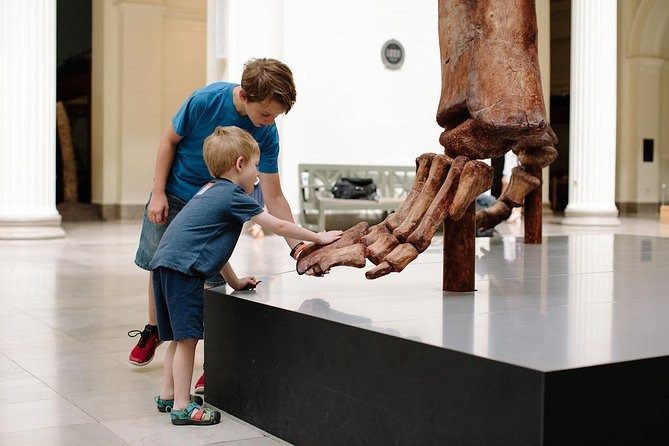
Learning is central to the museum’s purpose. The museum provides a wide array of programs for all ages, from lectures and field trips to online content like “The Brain Scoop” on YouTube. It also maintains strong academic partnerships with the University of Chicago and the University of Illinois at Chicago to train the next generation of scientists.
Scholars also have access to a massive library containing 275,000 volumes. Key holdings include the Ayer Collection (focused on ornithology), the Laufer Collection (Asian archaeology and anthropology), extensive photo archives, and a rare edition of John James Audubon’s masterpiece, The Birds of America.
The Field Museum of Natural History is more than just a Chicago landmark; it is a globally respected center for science. Through its vast collections, dynamic exhibitions, and rigorous research, it promotes a deeper understanding of our planet’s history and cultures. By blending century-old traditions with cutting-edge technology, the museum ensures its treasures remain accessible for generations to come.