

You probably know that as the owner or manager of commercial property in Chicago, it is not simply to check off an item from a to-do list when you think about maintaining your building. The truth is, you need to make sure your building remains operational during the strong winds coming from Lake Michigan and the fast drop in temperature in order to survive the polar vortex. What most do not realize is that all the exterior openings on your building including the large commercial garage door is absorbing the full effect of everything that Mother Nature brings to Chicago.
Why Chicago Buildings Need Extra Love
There’s something about Chicago weather that makes building maintenance feel like a full-time job. Actually, scratch that—it pretty much IS a full-time job. We’ve got winters that’ll freeze your coffee before you finish crossing the street, summers where the humidity makes everything sticky, and those weird spring days where it’s snowing in the morning and seventy degrees by afternoon.
Your building deals with all of it. Every single day.
The temperature swings alone can wreak havoc on building materials. Metal expands when it gets hot, contracts when it freezes. Concrete cracks. Weather seals dry out and fail. And those commercial garage doors? They’re working overtime trying to keep the elements where they belong—outside.
The Real Cost of Putting Off Maintenance
At this point, things begin to rapidly become expensive. If you skip maintenance, thinking you are saving some money, then you will have created much larger issues for the future. The small crack in the weather strip surrounding your loading dock door? Come next year, you’ll be paying to heat the entire parking lot. The slightly askew position of your overhead door tracks? Give them a few months and you’ll be looking at the total loss of your doors, in the middle of your peak season.
You cannot afford to shut down a commercial property. With your garage door stuck, your delivery trucks will back up; your workers will be unable to bring their equipment into or remove it from the area; your operations will come to a standstill. Every minute your garage door remains broken is money leaving through the door that cannot be opened.
Once you take a good look at it, the math is fairly simple. Maintenance visits for a commercial garage door typically run a few hundred dollars each time they visit. Repairing a broken garage door (that is after it has broken) costs thousands of dollars. Also, the lost production while waiting for repairs, plus the stress of dealing with upset customers or delayed shipments.
What Chicago Weather Does to Your Building
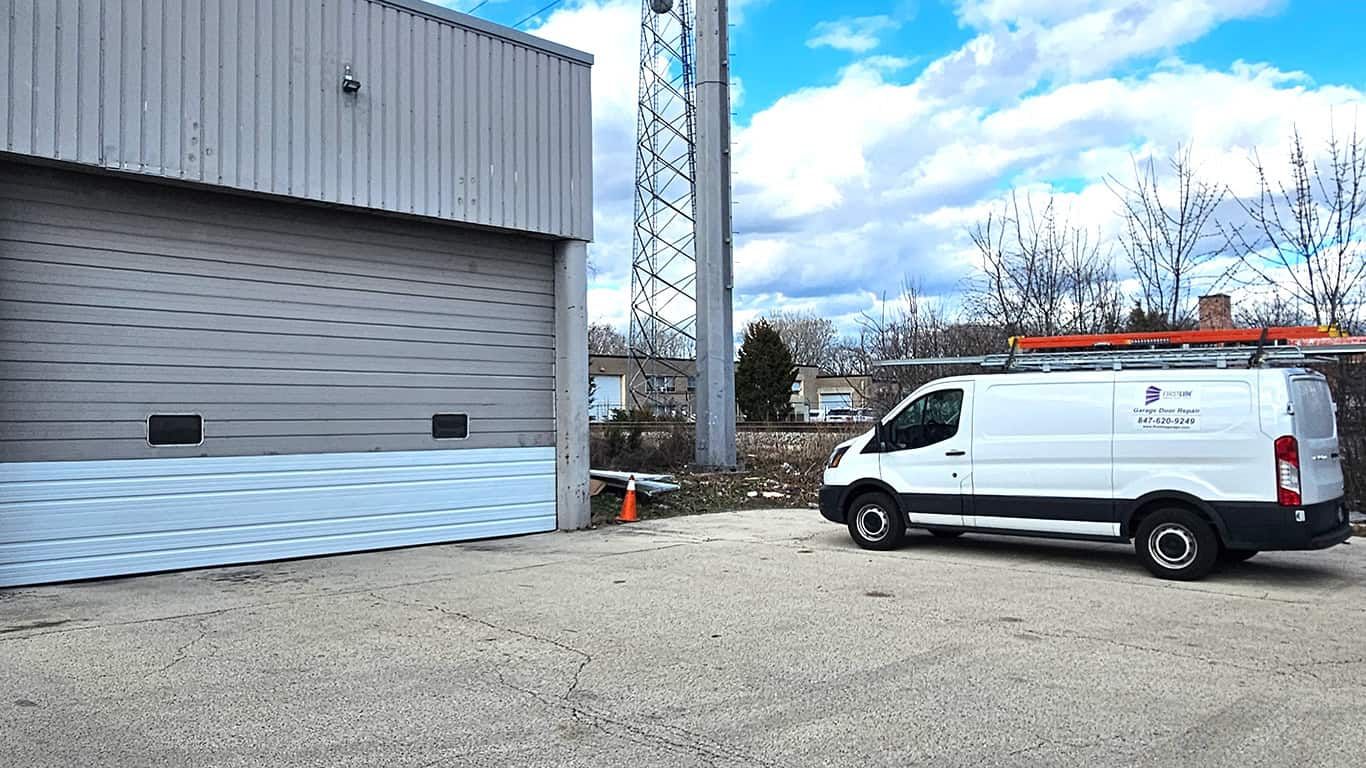
Let’s talk about what actually happens when Chicago decides to show off its weather mood swings.
Winter is obviously the big villain here. When temps drop below zero—and yeah, they do that a lot—everything on your building contracts. Door frames shift. Hardware gets brittle. Lubricants thicken up and stop working. Ice builds up in places you didn’t even know existed. And those automatic door openers? They’re working extra hard to move doors that are frozen in place.
But summer brings its own problems. High heat and humidity mean metal components expand. Wooden door frames can swell. Electronic systems work harder to stay cool. And that combination of heat plus moisture? Perfect recipe for rust and corrosion on any exposed metal parts.
Then there’s spring and fall, which sound nice until you remember they bring rain. Lots of rain. Water finds every tiny gap and starts doing damage. Poor drainage around door thresholds means water pools exactly where you don’t want it. Before you know it, you’ve got water damage, mold issues, and structural problems.
Commercial Garage Doors Deserve Special Attention
Your large industrial doors are going to be very different from your small residential garage door in terms of size, usage (dozens to hundreds of cycles daily) and engineering to maintain proper function. As such, these large commercial door systems require precision in all aspects of their maintenance to remain functional.
Commercial doors are essential to the operation of your business; however, they are also susceptible to extreme variations in Chicago’s climate. The commercial door is an enormous moving part that will experience every condition outside the building while keeping all conditions inside the building consistent. A commercial door needs to seal tightly against wind and weather. Commercial doors need to operate smoothly regardless of temperature. Most importantly, commercial doors need to perform consistently, day-after-day.
Some common issues that occur with commercial doors are:
- Failure of the door springs due to fatigue from repeated use and temperature cycling.
- Misalignment of the track over time due to gradual settlement of the building or sudden impact of equipment against a door.
- Fraying and breaking of worn-out cable and pulley systems.
- Deterioration of the seals around the doors allowing air leaks and moisture into the building.
In addition to the commercial door itself, there are other issues to consider with the automatic opener system. Automatic openers have many components including motors, sensors, safety devices and control boards. Automatic openers will deteriorate quickly in extreme temperatures and high levels of humidity and will perform poorly if they are not properly maintained.
Creating a Maintenance Schedule That Actually Works
How do you manage your time so that you can stay on top of all of these responsibilities and not lose your mind? A very important part of this is developing an actual plan for what you will be doing at each time of year as opposed to simply checking things every now and then.
One way to organize your plans by season is to have all of your buildings and equipment inspected before it gets cold. When it is cold outside, it is best to know that everything has been inspected and is functioning properly prior to inclement weather. It is a good idea to check the weather seals, apply the correct type of lubricant (cold weather) to moving parts, and check door openers while loaded, and check to see if the heating system located near the exterior doors are functioning properly. The goal here is to identify and resolve potential problems before they develop into actual problems.
In the springtime it is when you are assessing the damage from the previous winter. Assess the condition of your building and determine if there are any new cracks, check for any signs of water intrusion, check the condition of paint and protectants, and replace any damaged components that failed due to cold temperatures. Springtime is a great time to complete any large-scale repairs to your buildings prior to the start of the busy season.
During the summer and fall, you should be trying to stay one step ahead of any problems that may occur. Performing regular inspections will help you to find and address small issues before they become large ones. Regular cleaning and maintenance will ensure that all of your systems continue to operate efficiently and effectively. Additionally, you are helping to prepare your buildings and equipment for the upcoming winter. In Chicago, winter is never too far away.
The Day-to-Day Stuff Nobody Thinks About
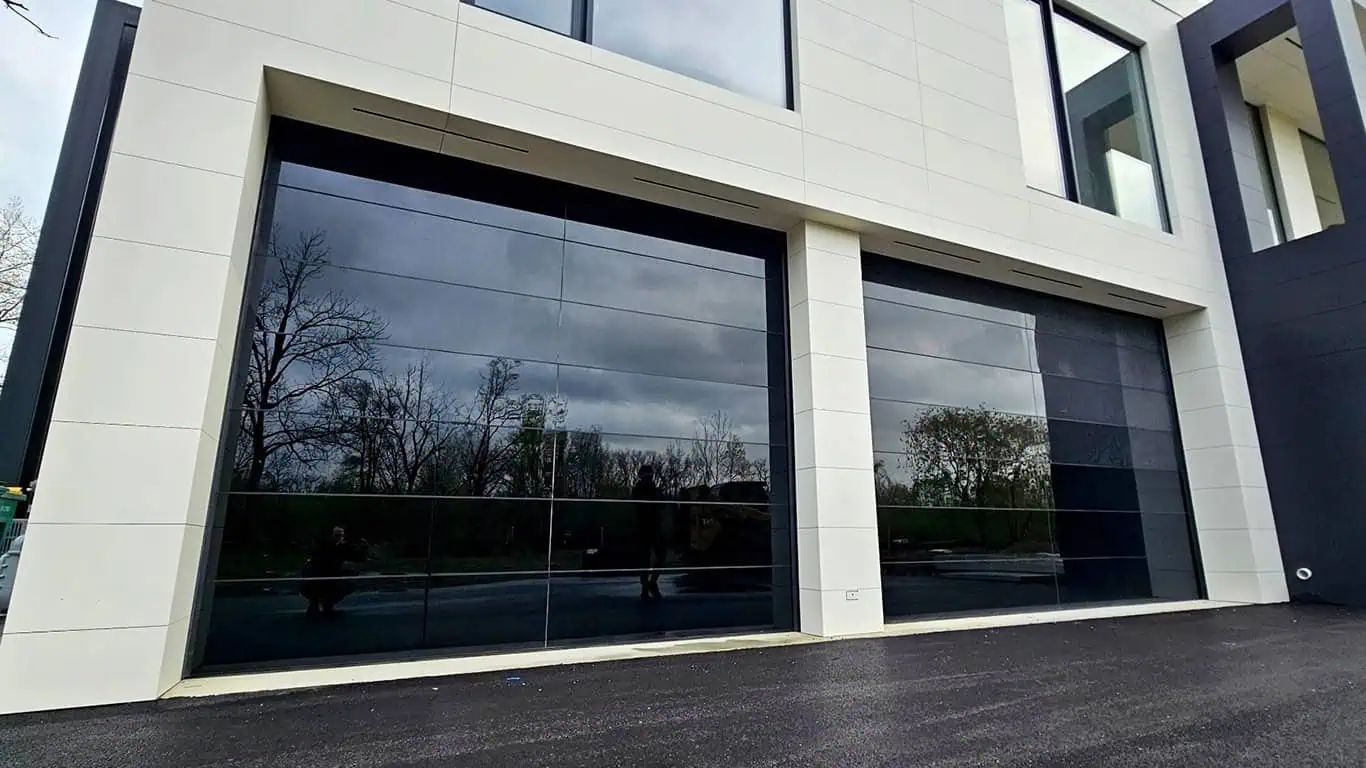
Beyond the seasonal big picture, there’s everyday maintenance that makes a huge difference. Keep door tracks clean—debris and dirt cause binding and uneven wear. Watch for unusual noises when doors operate, because strange sounds usually mean something’s wrong. Make sure staff knows how to properly operate doors and what NOT to do with them.
Test safety systems regularly. Commercial doors have safety features designed to prevent injuries and property damage. Photo-eye sensors that stop doors from closing on people or equipment. Emergency release mechanisms. Auto-reverse functions. These need to work perfectly every single time, which means testing them regularly.
Pay attention to your door’s balance. An unbalanced door puts extra strain on the opener and wears out components faster. You can usually tell by manually operating the door partway and seeing if it stays in place or wants to move on its own. If it doesn’t stay put, the springs need adjustment.
Energy Efficiency and Your Bottom Line
Here’s something that doesn’t get talked about enough—proper door maintenance directly impacts your energy costs. Those gaps around poorly maintained doors let conditioned air escape constantly. A door that doesn’t seal properly might as well be a hole in your wall as far as your heating and cooling system is concerned.
Modern commercial doors can be incredibly efficient when they’re maintained correctly. Good weather seals, proper insulation, tight-fitting panels—all of this keeps the outside out and the inside in. But let maintenance slip and efficiency drops fast.
Some facilities have found that upgrading to better-insulated doors pays for itself in energy savings within a few years. But even the best doors won’t perform if they’re not maintained. The insulation only works when the door actually closes and seals properly.
When to Call in the Professionals
Real talk—some maintenance you can handle in-house. Cleaning, basic lubrication, visual inspections, these are things your maintenance team can probably do. But commercial door systems are complex and potentially dangerous. Springs under tension can cause serious injuries. Electrical systems need proper expertise. And warranty requirements often specify professional service.
Companies like Firstline Garage Door Repair specialize in exactly this kind of work. They understand Chicago’s climate challenges. They know commercial door systems inside and out. And they can spot problems that might not be obvious to someone who doesn’t work with these systems daily. More information is available here.
Professional maintenance typically includes thorough safety inspections, precise adjustments that require specialized tools, replacement of worn components before they fail completely, and documentation for warranty and insurance purposes. They can also handle emergency repairs when something does break down unexpectedly.
Think of professional maintenance as insurance against bigger problems. Yeah, it costs money upfront. But compare that cost to emergency repairs, lost productivity, or worse—someone getting hurt because a safety system failed.
Documentation Matters More Than You Think
Keep records of all maintenance work. Seriously, this isn’t just paperwork for the sake of paperwork. Good documentation helps you track patterns, shows insurance companies you’re maintaining the property properly, keeps warranties valid, and helps diagnose recurring problems.
When you have professionals servicing your doors, make sure they provide detailed reports. What did they inspect? What did they find? What did they fix or adjust? What might need attention soon? This information is valuable for planning future maintenance and budgeting.
Documentation also helps when you’re training new staff or handing over responsibilities. Instead of tribal knowledge that lives in one person’s head, you’ve got written records that anyone can reference.
Budget Planning for Building Maintenance
Let’s address the elephant in the room—maintenance costs money. But here’s the thing, so does neglect. Actually, neglect costs way MORE money, it just happens all at once instead of spread out nicely over the year.
Smart property managers budget for regular maintenance as an operating expense, not an optional cost they can cut when things are tight. They know that spending a little consistently prevents spending a lot all at once.
Set aside funds each month for routine maintenance. Build in a buffer for unexpected repairs because let’s be honest, there will be unexpected repairs. And factor in occasional upgrades when systems reach the end of their useful life rather than waiting for catastrophic failure.
Some facilities find it helpful to establish relationships with service providers who offer maintenance contracts. You pay a set amount annually and they handle scheduled maintenance plus give you priority service for emergencies. It spreads costs predictably and ensures maintenance actually happens on schedule.
The Human Element
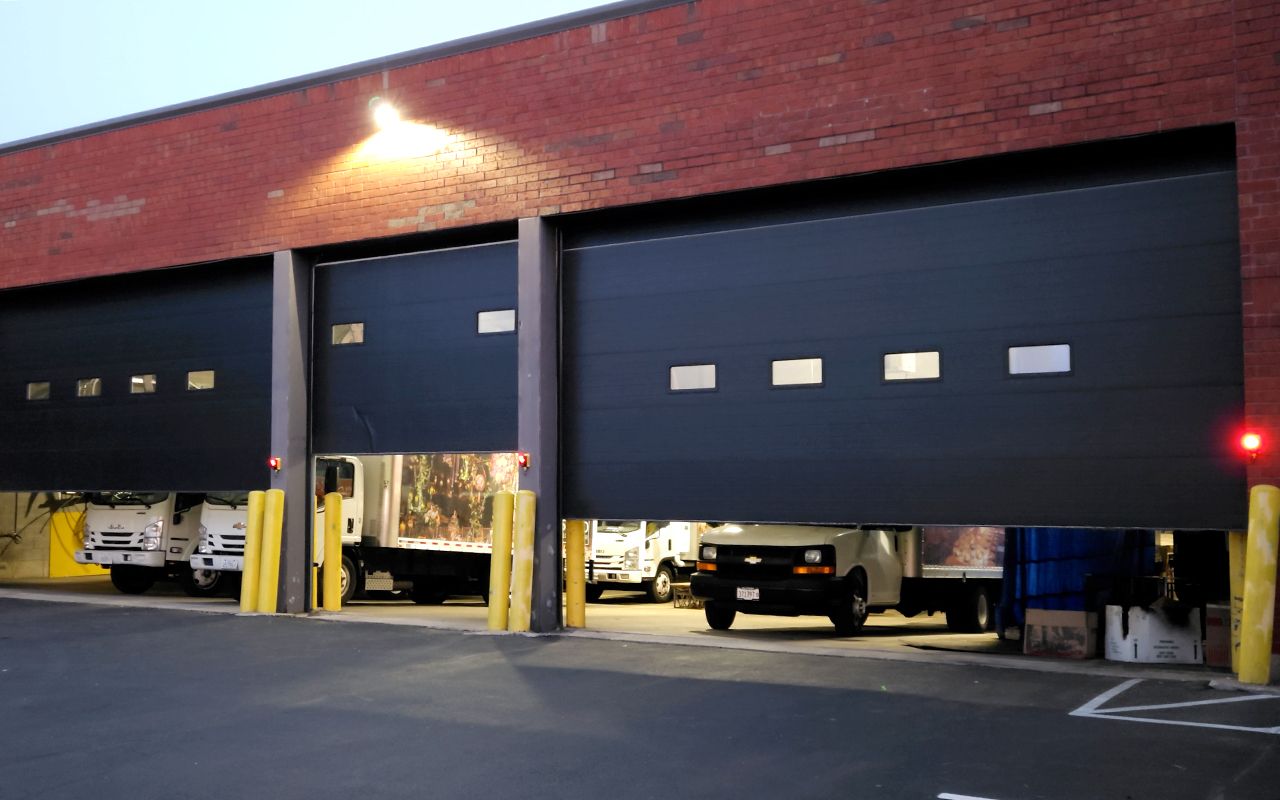
Building maintenance isn’t just about the building—it’s about the people working in and around it. Safe, comfortable, functional spaces help everyone do their jobs better. Workers who are constantly dealing with door malfunctions, temperature extremes, or safety hazards aren’t going to be as productive or satisfied.
Good maintenance creates a better work environment. It shows you care about safety. It demonstrates professional management. And it prevents those frustrating situations where operations get disrupted by preventable equipment failures.
Train your staff to recognize and report problems. The loading dock worker who notices a door making a weird sound might be catching a problem before it becomes serious. The facilities person who spots water pooling near a door threshold might prevent major water damage. Encourage people to speak up about issues they notice.
Looking at the Bigger Picture
Chicago commercial property maintenance is really about protecting your investment. These buildings represent significant capital. They’re where your business happens. They’re critical infrastructure that needs to keep working regardless of what’s happening outside.
Proper maintenance preserves property value over time. A well-maintained building commands higher rents, attracts better tenants, and holds its value better when it’s time to sell. Neglected buildings deteriorate faster and cost more to bring back to standard.
Think about tenant satisfaction too. Commercial tenants notice when their space is well-maintained. They appreciate when door systems work reliably, when temperature is consistent, when their operations aren’t disrupted by building problems. Happy tenants renew leases and pay rent on time.
Making It All Work
Ultimately, a successful building maintenance program is all about treating building maintenance as an important part of your daily routine. It is difficult to put building maintenance into a backseat due to budget constraints or lack of immediate need (i.e., there isn’t anything currently broken).
Establish a formalized maintenance plan that will be followed consistently by a team of reliable and qualified maintenance personnel who have knowledge of your building(s) and your company’s needs. Plan ahead by setting aside sufficient funds to avoid being caught off guard during unexpected failures. Finally, remain proactive rather than reactive in your approach to maintaining your building(s).
The reliability of your commercial overhead door system and all other critical building systems should be taken care of before they become un-reliable through failure. When properly maintained, your building will continue to run efficiently; reduce total cost of ownership over time; provide improved working conditions; and protect your long-term investment.
Chicago weather is not getting any milder toward buildings. However, with the correct level of focus on, and professional maintenance from experienced companies such as Firstline Garage Doors (firstlinegarage.com), your commercial property will be able to withstand any weather conditions thrown at it. Treating building maintenance properly is not only responsible building management, but also smart business.