

Gas and electric systems have long met Chicago’s need for power. By the 1930s, they had played a vital role in defining the urban environment. The quality lighting of the city distinctly set it apart from rural areas. We will discuss in detail how lighting emerged in Chicago on chicago-future.com.
The Street Lighting System
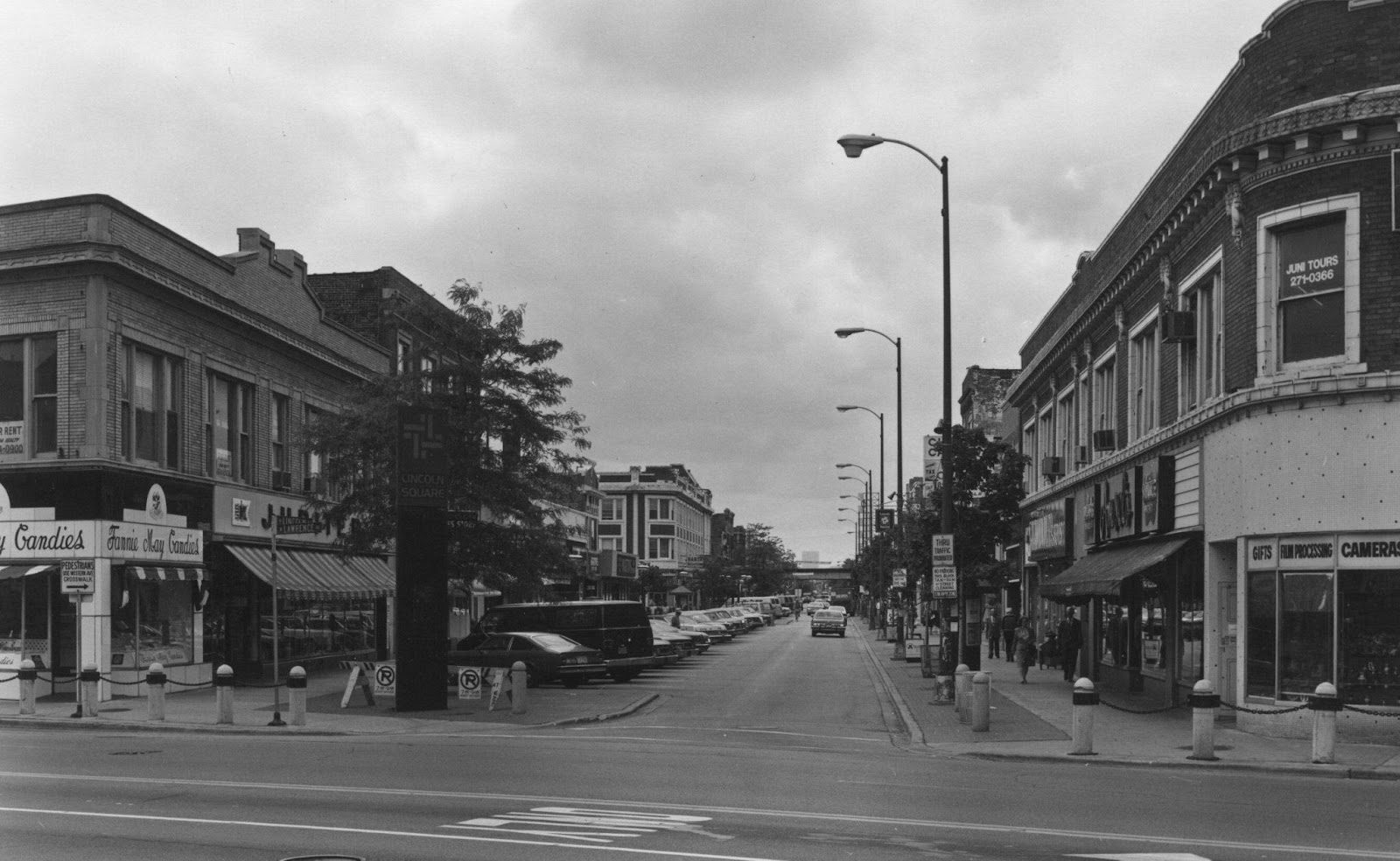
Gas streetlights first appeared on Chicago’s streets in 1850. Every night, a lamplighter walked around, lighting them one by one, and then returned each morning to extinguish them. Lamplighters were given special schedules indicating the exact times to light or put out the lamps. The city authorities consistently tried to cut costs, arguing that a full moon provided sufficient light, making it unnecessary to light the street lamps.
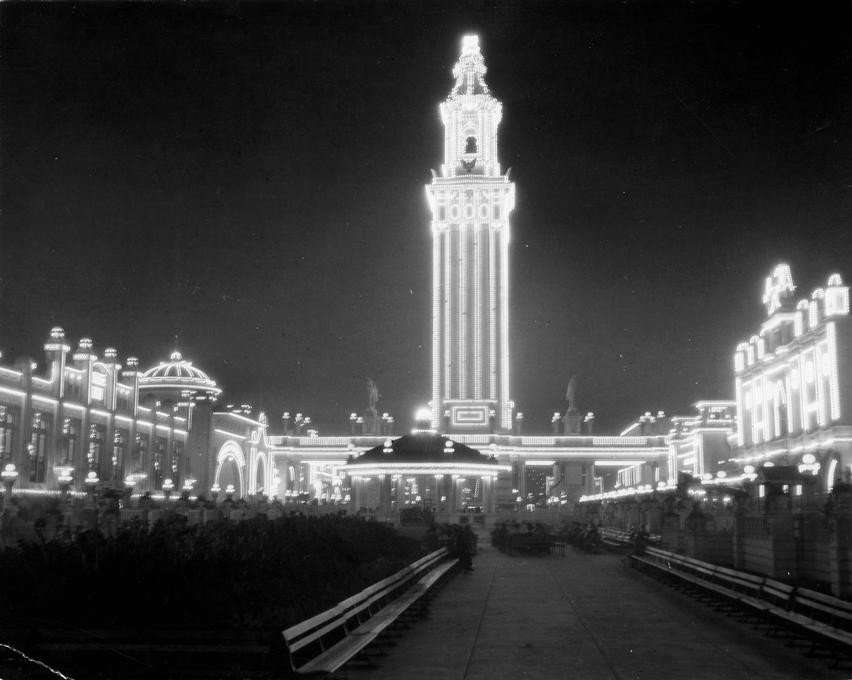
In 1893, the World’s Columbian Exposition took place in Chicago, where people saw light produced by electricity for the first time. Significantly, the fair remained open after dark to showcase the brilliance of the electric lights. City residents were amazed and subsequently advocated for the installation of more streetlights in their neighborhoods. This soon came to pass. The design of the light poles, as well as the fixtures, evolved over the years. In the 1970s, Chicago switched to high-pressure sodium lamps to save on electricity bills.
Gas Lighting
Gas lighting was introduced in the U.S. in 1816, but Chicago had to wait until 1850. That year, over 100 gas lamps were lit in the city. Notably, all the gas supplied to Chicago was produced from coal. This cheap and common fuel was placed in special retorts and heated until gas was released, which was actively used for lighting. The coal gas was stored in large tanks until evening, when lamplighters walked the streets, manually igniting open burners that provided a relatively dim 12–15 candlepower. However, compared to alternatives like whale oil, gas lamps were brighter, more convenient, and less prone to ignition. By 1860, the Chicago Gas Light and Coke Company had connected 2,000 customers downtown to its 50 miles of underground pipes. In 1862, People’s Gas Light & Coke Co. began service, but a secret agreement established a duopoly that divided the city into non-competitive zones. The end result was high rates, which meant gas lighting remained a luxury accessible only in commercial and wealthy residential areas.
The cost of service, as well as technological limitations such as dim lighting, excessive heat, and the risk of fire, led to the search for an alternative.
Electricity in Chicago
In 1878, the era of electricity began in Chicago with the experimental demonstration of arc lamps—bright, 2,000-candlepower devices. They created a spark or arc of current across two carbon rods. While solving the problem of lighting large public spaces, this technology proved unsuitable for homes and stores. Two years later, Thomas Edison was the first to prove the incandescent lamp commercially viable. This invention was a revolutionary breakthrough, as it provided flameless light inside a fire-safe container. Equally important, the parallel improvement of electric motors led to railways and rapid transit cars becoming the largest consumers of electric power.
Lighting and power systems, like steam engines, were sold to individual buyers as self-contained systems. However, Edison and many of his competitors also followed the gas company model, building central stations that offered services to everyone within limited sales zones. For example, the Chicago Edison Company initially only sold equipment, but in 1888, it opened an electrical station capable of powering 10,000 lamps in offices on Adams Street and LaSalle Street.
The Battle of the Systems
From 1878 to 1903, the “Battle of the Systems” took place, marked by the start of fierce technological competition and political conflict. During this period, in addition to the rapid development of the electrical industry, the gas business underwent a revolution. New appliances and methods of gas production significantly improved its heating and lighting qualities while sharply reducing costs. As expensive but better electric lamps displaced gas lighting from elite establishments and homes, utility companies extended pipes to working-class residential areas and began selling energy for heating and cooking. During this period, corruption and bribery in the city council became widespread, as gas, electric, and transit companies fought for the most lucrative franchises and profitable service territories.
The reform movement known as Municipal Progressivism was, in part, a response to this outrage in the political process. Women and men actively campaigned to clean up City Hall and establish reasonable regulations for the utility companies that provided what had truly become vital urban services.
Major Power Suppliers and Their Innovations
The arrival of Samuel Insull in Chicago in 1892 forever changed the city’s utility history. Within 10 years, he established a virtual monopoly on central power station service in the city under the Commonwealth Edison Company banner. Insull offered customers low rates and unique marketing schemes, easily bypassing competitors. Securing key contracts to supply electricity to transit companies, he risked installing the world’s first modern turbogenerator at the Fisk Street Station in 1902. In the following decades, this success propelled him to integrate and expand suburban utilities into a single power network.
He also worked to stabilize relations between government and business by establishing the state-level public utility commission in 1913. When gas companies faced financial hardship during World War I, Insull was called upon to apply his personal business strategy of low rates, high technology, and metropolitan consolidation. In the late 1920s, he led the effort to lay a natural gas pipeline from Texas to the Midwest. The stock market crash led to the collapse of Insull’s securities empire. During the onset of the Great Depression, the demand for energy briefly declined, but Chicago’s utilities helped revitalize the economy.
After World War II, the demand for energy in the form of gas and electricity surged. The Commonwealth Edison Company played a leading role by becoming the first private utility to operate a nuclear power plant. In April 1960, the Dresden Station began producing electricity, launching a construction program that would eventually make Chicago the most dependent metropolis on this type of energy in the U.S.
Analyzing all of the above, we can conclude that thanks to various companies and their innovations, quality lighting came to the city.