

The Port of Chicago serves as a cornerstone of Illinois’ transportation and economic landscape. It drives international trade, handles massive cargo volumes, and supports critical infrastructure development. The facility is managed by the Illinois International Port District (IIPD), a unique entity in the state that operates without the authority to levy taxes. Together with surrounding terminals, the port plays a vital role in industrial growth, grain storage, and freight logistics. Read more at chicago-future.
Historical Context
Commerce along the Chicago River and its harbor has been a driving force since the 19th century. Major canal projects and infrastructure improvements transformed Chicago into a critical link connecting the Great Lakes with inland waterways. This historical evolution laid the foundation for the modern port system.
The modern era of the port began with the passage of the Lake Calumet Harbor Act in 1921. By the mid-20th century, the creation of the Chicago Regional Port District gave the organization the authority to develop and manage the harbor and adjacent lands. According to the IIPD’s official records, the Lake Calumet Terminal and its related facilities were established as part of a strategic initiative to develop the industrial waterfront.
The Illinois International Port District (IIPD) is a municipal corporation established by state law to foster trade, transportation, and economic activity through Chicago’s port facilities. It is governed by a nine-member board, with appointments split between the Governor of Illinois and the Mayor of Chicago. By statute, the district is prohibited from levying taxes, a restriction that defines its financial model and relationship with city and state governments. Over the years, there have been various proposals to reform or privatize the entity. In 2008, the Chicago Civic Federation suggested dissolving the district and transferring its assets to the city and park districts. In 2013, Mayor Rahm Emanuel and Governor Pat Quinn attempted to negotiate a privatization deal with the Broe Group, though talks ended without a resolution. Legislation was also introduced during the 100th General Assembly to replace the board with the Chicago City Council, but the bill failed to pass.
The IIPD remains a significant economic engine for the Chicago region and Illinois. Media reports estimate the port contributes over $700 million annually to the local economy, with strong potential for growth through federal and state investment. Currently, the IIPD is participating in the “Clean Ports” program, funded by the EPA and state partners, to upgrade infrastructure, cut emissions, and implement green technologies.
Design and Facilities
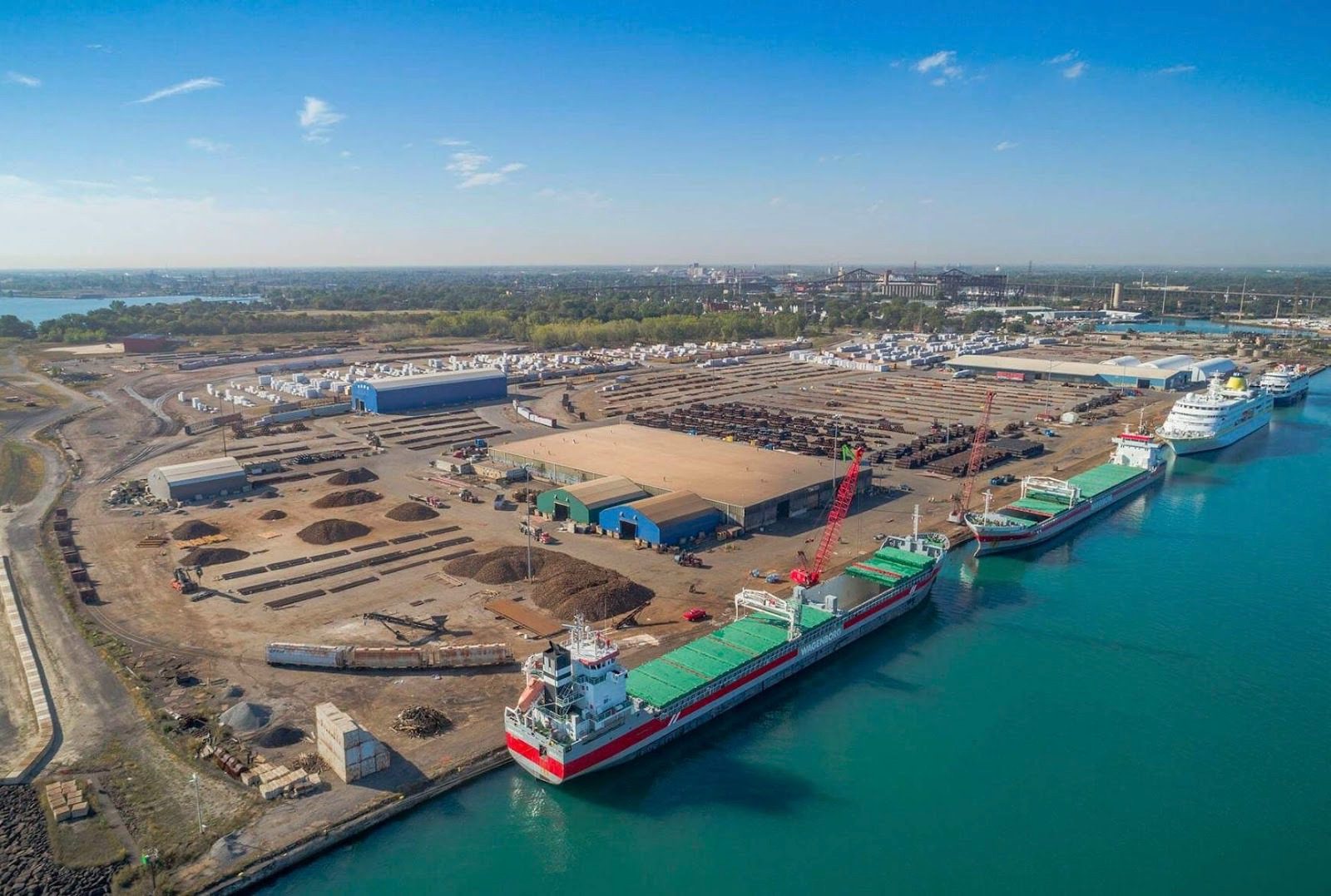
The port complex is anchored by two primary facilities:
- Iroquois Landing Terminal – located on the Lake Michigan shoreline, featuring over 3,000 feet of berthing space for deep-draft ships and barges;
- Lake Calumet Harbor / Terminal – a massive docking complex situated at the junction of the Grand Calumet and Little Calumet rivers, about six miles inland from the lake.
Calumet Harbor is a central component of the system. Its federal infrastructure and navigation channels are maintained by the U.S. Army Corps of Engineers (USACE). According to project specifications, the harbor features an approach channel depth of approximately 29 feet, an outer harbor depth of 28 feet, and a main navigation channel depth of 27 feet. The network includes miles of navigable channels and protective structures, enabling the port to service vessels operating within both the Great Lakes and inland river systems.
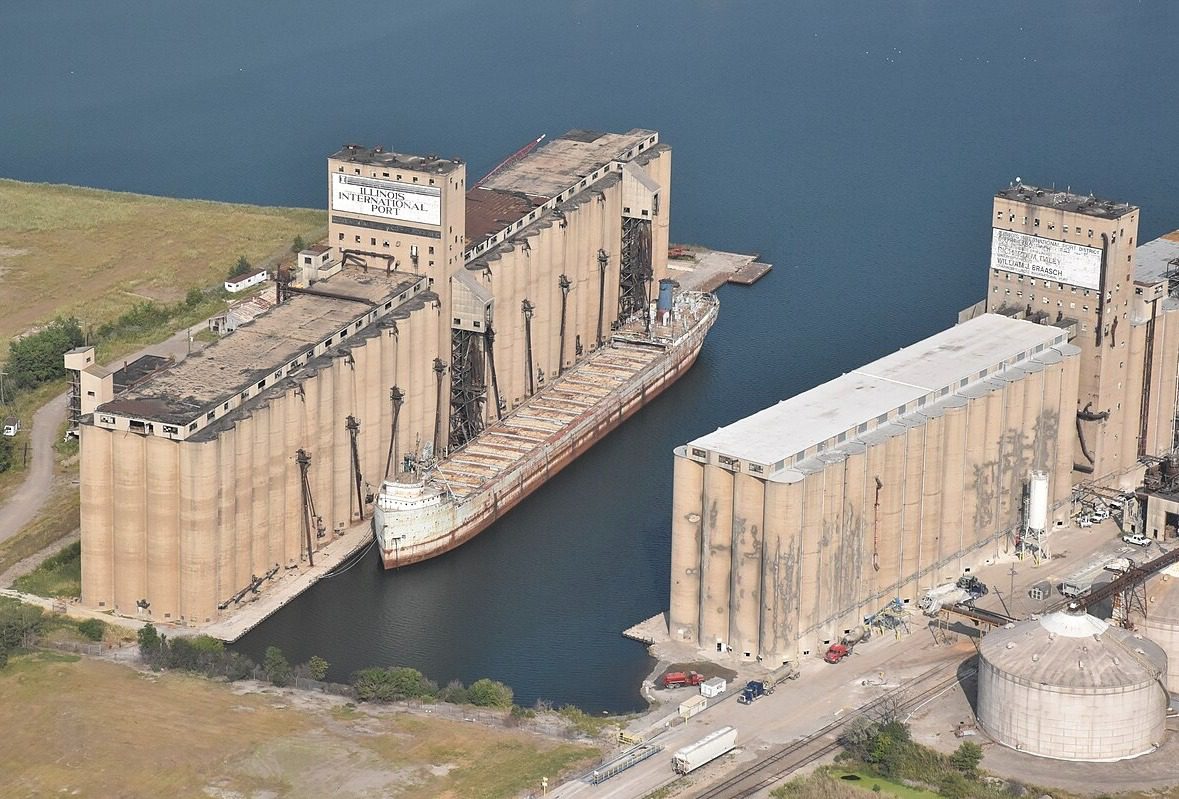
Foreign Trade Zone No. 22 spans eight Illinois counties, including Cook, DuPage, Will, and Lake. The port administration holds approximately 20 acres for future development and operates over 400,000 square feet of warehouse space. The 190-acre Iroquois Landing Lakefront Terminal offers direct access to highway systems and the railroad. It features two transit sheds totaling 100,000 square feet and staging for 135 railcars. Meanwhile, the Lake Calumet Terminal houses some of the state’s largest storage facilities, with grain elevators capable of holding 14 million bushels and liquid storage tanks with a capacity of nearly 800,000 barrels.
Shipping and Rail Integration
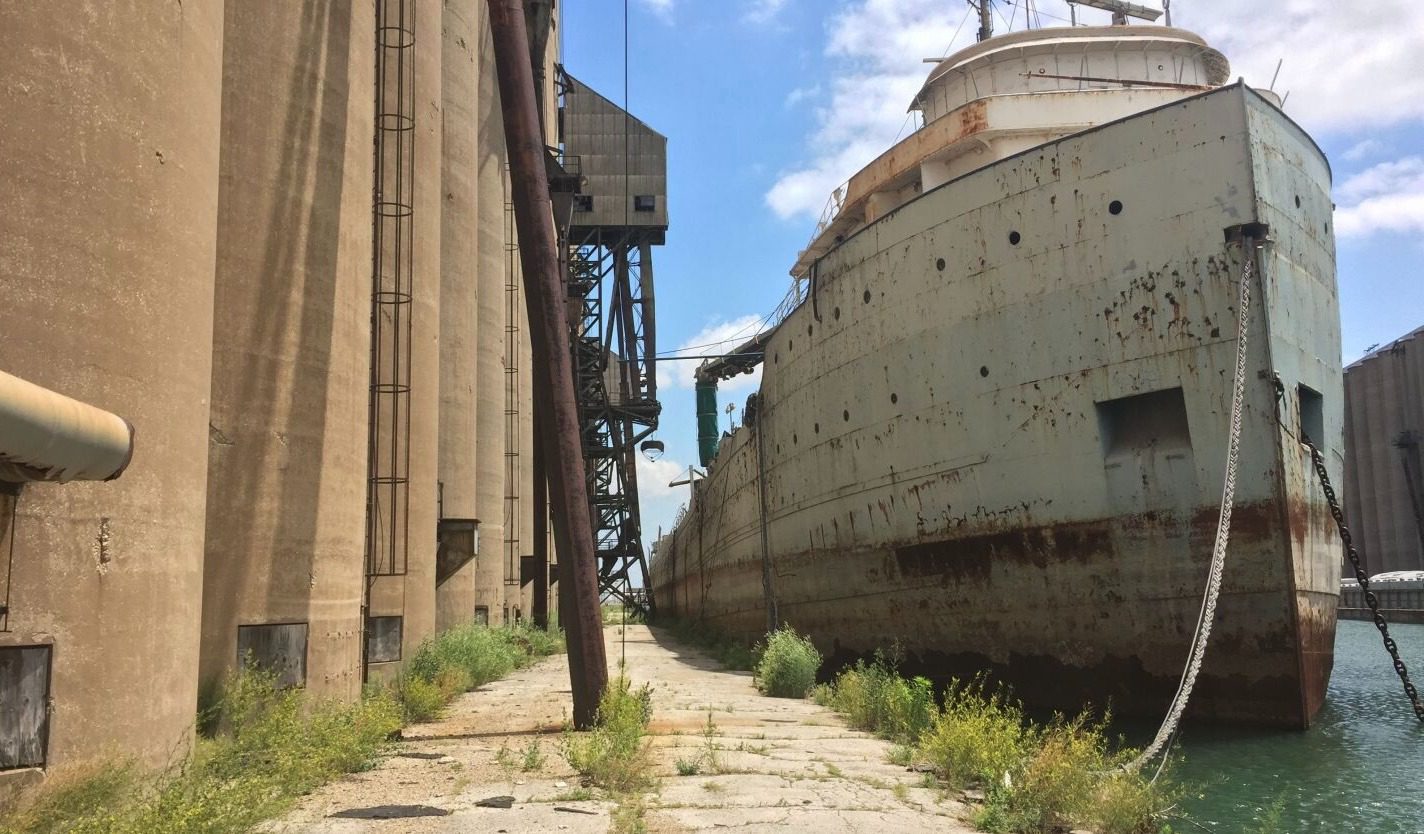
The infrastructure supports a wide range of logistics needs, including berths, covered and open storage, and dedicated rail spurs. A notable piece of port history was the C.T.C. No. 1, a 620-foot vessel that arrived in 1982. Capable of holding 16,300 tons of cement, it served as a floating storage and transfer station until 2009. The port offers exceptional connectivity, with its own rail lines providing access to six of North America’s seven Class I railroads (BNSF, CN, CP, CSX, NS, and UP) and direct links to major interstates like I-90, I-80, and I-55.
Lake Calumet Terminal serves as a prime example of a multimodal hub with extensive warehousing and docking capabilities. Private operators within the port provide specialized services for transshipment and storage, moving cargo seamlessly between barges, rail, and trucks. The port utilizes the international code USCHI for maritime routing and customs operations.
With direct outlets to the inland waterway system (via the Illinois Waterway to the Mississippi River) and major rail networks, the port ensures efficient distribution deep into the continent. This multimodal capacity is a strategic advantage for handling bulk, liquid, and packaged freight.
Operations and Economic Impact
The port handles a diverse array of cargo, ranging from bulk materials like coal, ore, and grain to liquid commodities, construction supplies, and industrial products. Freight enters and leaves via Great Lakes ships, barges, and intermodal rail connections.
Beyond logistics, the port is a major job creator, connecting local manufacturers to global markets and serving as a hub for regional imports and exports. Its influence is deeply felt across the industrial sectors of southeast Chicago and Illinois. Economic impact assessments of the port are frequently integrated into regional strategies for infrastructure and transportation planning.
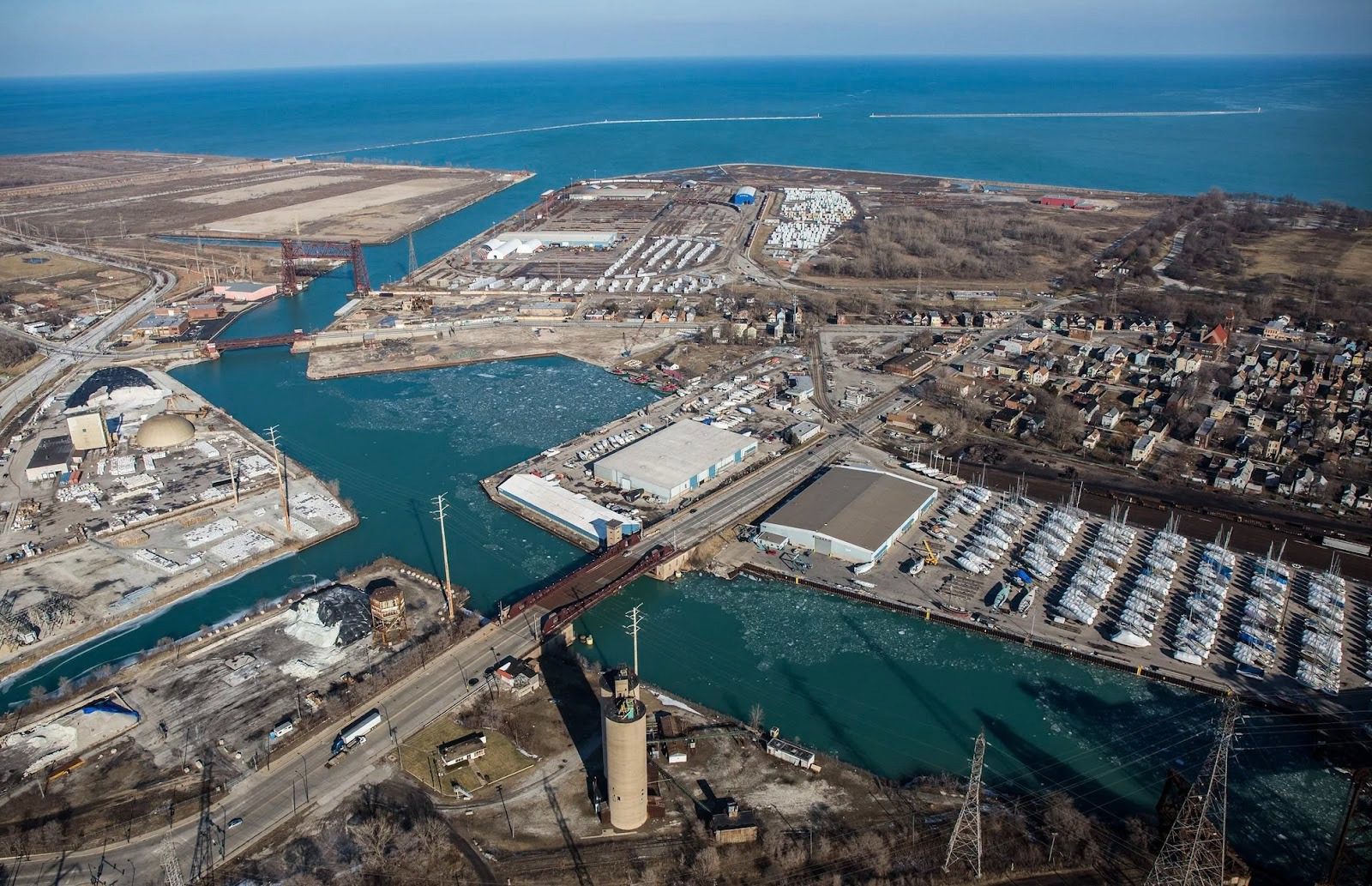
The Illinois International Port District remains a critical logistics center for the region. Through its robust infrastructure, storage capacity, and transport network integration, the port ensures efficient cargo processing and supports industrial development. Despite past debates over privatization, it continues to be a strategic asset for both Chicago and the state of Illinois.