

Prior to the construction of facilities specifically designed for custodial and correctional confinement, courts and punishments in early America were very severe. Methods such as public whipping, the pillory, short-term imprisonment, and capital punishment served as ways to condemn and penalize criminals in early Chicago, as reported by chicago-future.com.
Chicago’s First Jails

In 1831, amendments to the Illinois Criminal Code abolished public whipping and the pillory, though these practices persisted in Illinois jails until the early 20th century. In 1832, the newly formed town of Chicago constructed a “vagrants’ pen” in the main square, converting it into a jail a year later. Cook County and the city erected a courthouse building in 1853, which included a basement jail, the jailer’s living quarters, the sheriff’s office, and the city lockup. This structure served the city until it was destroyed by the Great Fire in 1871.
The Bridewell (House of Correction) opened in 1871 on the city’s southwest side. It primarily held those who could not pay fines: vagrants, drunkards, petty thieves, pickpockets, counterfeiters, smugglers, and criminals who profited from Chicago’s trade. Almost all these people were poor. Moreover, it was common practice to jail witnesses to crimes—often women and children along with the accused against whom they were set to testify.
During this period, the police precinct jail—or “calaboose”—became the standard form of custody for street criminals in Chicago. By the late 1890s, these police jails gave way to more architecturally advanced city correctional facilities. In 1896, separate quarters for women and a section for juvenile offenders were added to the County Jail at the corner of Dearborn Avenue and Illinois Street.
The Penal System in the 20th Century
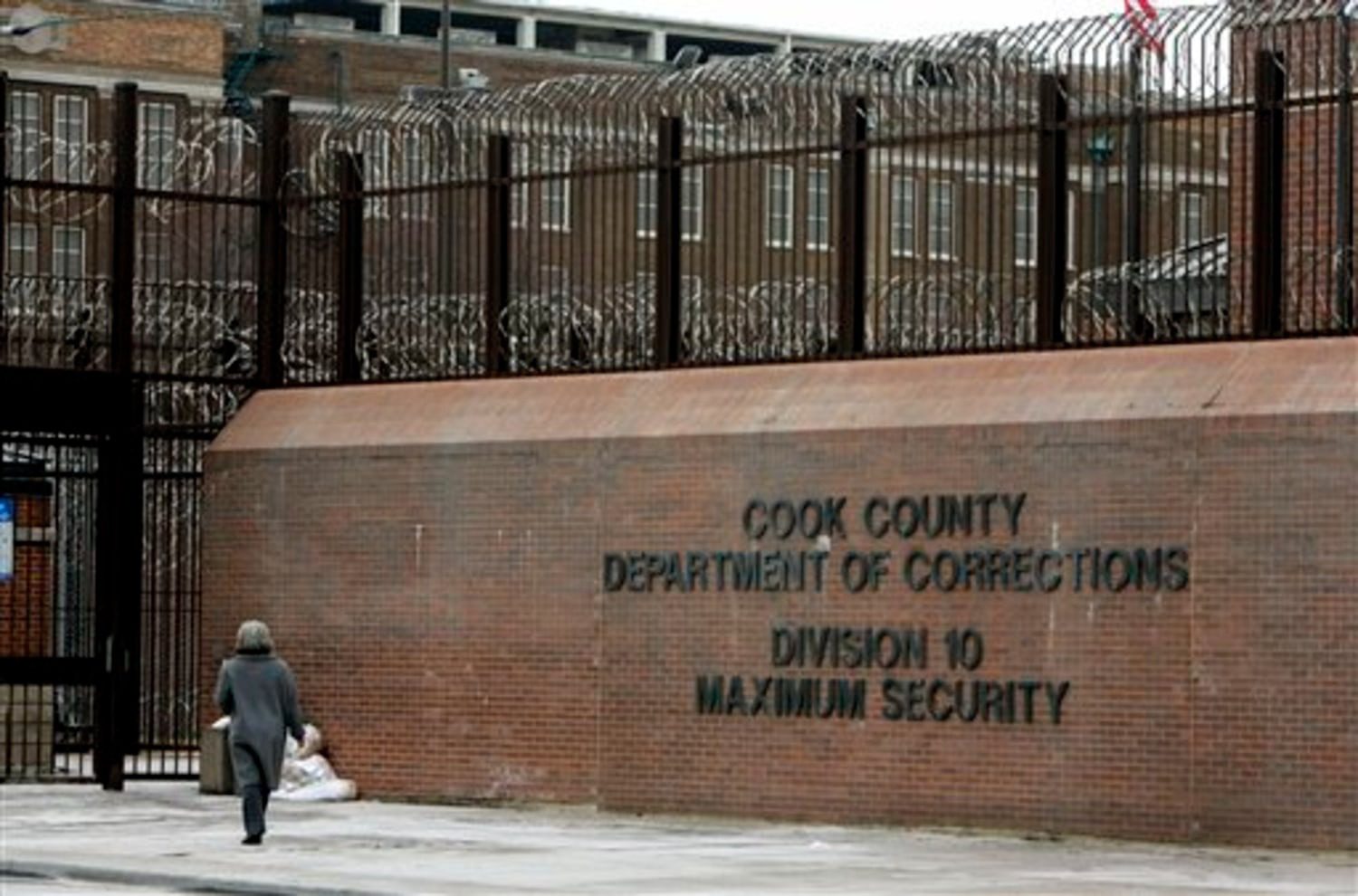
In the first quarter of the 20th century, confinement times began to increase due to court backlogs. A new, Bastille-like County Jail at the corner of 26th Street was deemed obsolete before it even opened in 1929, as it lacked sufficient heating and separate quarters for female inmates. Furthermore, in 1928, all executions were moved from county jails to state correctional facilities, except for counties with a population over 1 million. The method of capital punishment also changed from hanging to the electric chair, leaving Cook County as the only county jail in the state authorized to maintain its own electric chair and independently carry out sentences. The execution of James Dukes on the electric chair in 1962 was the last one carried out at Cook County Jail.
Subject to a single-term sheriff policy and an entrenched patronage system, the County Jail was forced to rely on an extremely untrained staff of jail guards. This system led to a rise in gang influence over inmates and jail operations. In 1967, a county civil service system was introduced to counteract the political influence of patronage positions and better prepare employees to manage the jail. In 1974, the Illinois Department of Corrections opened the country’s first centralized training academy for correctional staff at St. Xavier University in Mount Greenwood.
The Fight for Inmate Rights
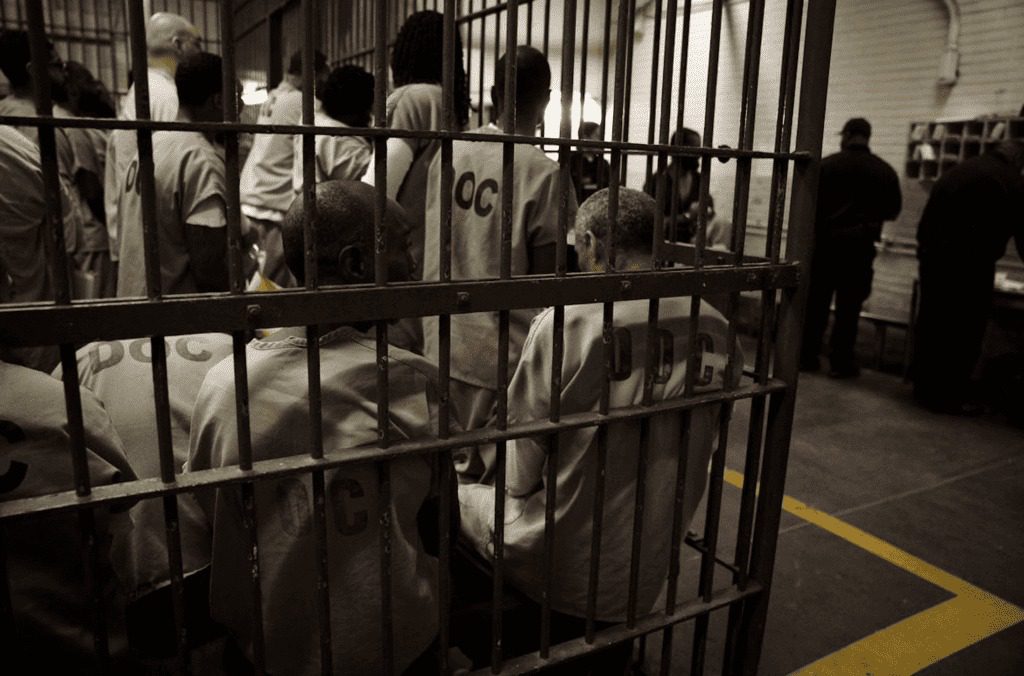
The 1960s and 1970s saw the rise of the inmate rights movement across America’s jails and penitentiaries. Every aspect of correctional facility operation came under intense judicial scrutiny. Cook County Jail was also caught in a wave of riots, escapes, suicides, and inmate murders. Three class-action lawsuits were filed, alleging racial bias in inmate classification and placement, as well as a lack of mental health services. These lawsuits led to enormous changes in jail programs and staffing.
A massive construction program that began in the 1970s resulted in a new Women’s Division and the Cook County Juvenile Temporary Detention Center, replacing the archaic Arthur J. Audy Home. In 1989, a court order issued due to jail overcrowding released 35,000 low-category inmates from the County Jail on individual recognizance bonds. A new sentencing system featuring day reporting and other correctional alternatives to incarceration in community correctional facilities also reduced the inmate population.
Today, the Cook County Department of Corrections is officially recognized and easily identified by the public and media as the largest single-site county jail in the United States. It includes 11 jail divisions, a training academy, and a rehabilitation center. It is also home to the largest forensic mental health facility in Illinois and develops gender-specific programs for male and female inmates.